- English
- French
- German
- Portuguese
- Spanish
- Russian
- Japanese
- Korean
- Arabic
- Greek
- German
- Turkish
- Italian
- Danish
- Romanian
- Indonesian
- Czech
- Afrikaans
- Swedish
- Polish
- Basque
- Catalan
- Esperanto
- Hindi
- Lao
- Albanian
- Amharic
- Armenian
- Azerbaijani
- Belarusian
- Bengali
- Bosnian
- Bulgarian
- Cebuano
- Chichewa
- Corsican
- Croatian
- Dutch
- Estonian
- Filipino
- Finnish
- Frisian
- Galician
- Georgian
- Gujarati
- Haitian
- Hausa
- Hawaiian
- Hebrew
- Hmong
- Hungarian
- Icelandic
- Igbo
- Javanese
- Kannada
- Kazakh
- Khmer
- Kurdish
- Kyrgyz
- Latin
- Latvian
- Lithuanian
- Luxembou..
- Macedonian
- Malagasy
- Malay
- Malayalam
- Maltese
- Maori
- Marathi
- Mongolian
- Burmese
- Nepali
- Norwegian
- Pashto
- Persian
- Punjabi
- Serbian
- Sesotho
- Sinhala
- Slovak
- Slovenian
- Somali
- Samoan
- Scots Gaelic
- Shona
- Sindhi
- Sundanese
- Swahili
- Tajik
- Tamil
- Telugu
- Thai
- Ukrainian
- Urdu
- Uzbek
- Vietnamese
- Welsh
- Xhosa
- Yiddish
- Yoruba
- Zulu
Hot-Rolled and Cold-Rolled Titanium Alloy Sheet Options
When selecting materials for high-performance applications, engineers face critical decisions between hot-rolled and cold-rolled titanium alloy sheet options. These manufacturing processes fundamentally alter the material's mechanical properties, surface characteristics, and dimensional tolerances. Hot-rolled sheets offer cost-effective solutions for structural applications, while cold-rolled variants provide superior surface finish and tighter dimensional control. Understanding these distinctions enables procurement managers to optimize material selection based on specific performance requirements, budget constraints, and manufacturing timelines across aerospace, medical, chemical processing, and industrial sectors.
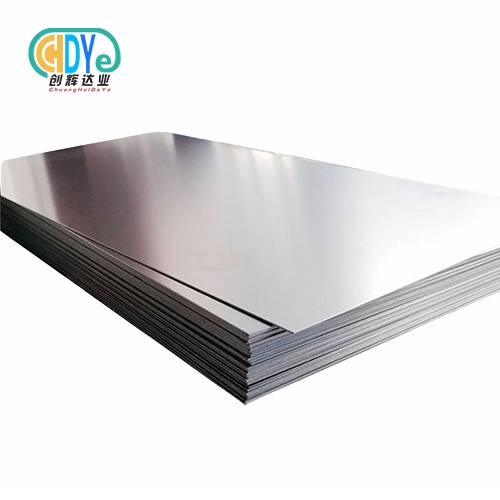
Understanding Hot-Rolled and Cold-Rolled Titanium Alloy Sheets
The fundamental difference between hot-rolled and cold-rolled processing lies in the temperature at which deformation occurs. Hot rolling happens above the recrystallization temperature, typically between 800°C and 1200°C for titanium alloys, while cold rolling occurs at room temperature after the material has cooled completely.
Chemical Composition and Mechanical Properties
Aluminum acts as an alpha stabilizer, and vanadium acts as a beta stabilizer in the carefully balanced mixtures that are used to make titanium alloy sheets. Grade 5 (Ti-6Al-4V), which is the most common, has about 6% aluminum and 4% vanadium. It has tensile powers higher than 130,000 PSI, which is higher than the 65,000 PSI of commercially pure titanium. Because these metals are 43% lighter than steel and have a higher strength-to-weight ratio, they can't be used in any situation where weight is important. The alloying elements make different microstructural stages that react in different ways to mechanical and thermal processes. Alpha phases make the metal very resistant to rust and easy to weld, while beta phases make the metal stronger and easier to heat treat. It's possible for these stages to recrystallize during hot rolling, which makes the grain structures even and the mechanical properties equal.
Manufacturing Process Impact on Material Characteristics
When sheets are hot rolled, the internal stresses are eased, but scales form on the surfaces, which needs to be removed or removed using pickling or descaling. The high temperatures make it possible to reduce the width by a large amount in a single pass. This makes hot rolling a cheap way to make a lot of things. Dimensional limits, on the other hand, are still pretty wide, usually ±0.005 inches for controlling thickness. When you cold roll something, it goes through a lot of plastic deformation at room temperature. This makes structures that are work-hardened and stronger but less flexible. This method produces better surface finishes that are almost as good as mirrors, and it keeps accurate measurements within ±0.002 inches. In exchange, working costs are higher, and the metal might need to go through more annealing processes to keep it from getting too hard from work, which could cause cracks during forming.
Industrial Grade Classifications and Applications
The grade classifications have a direct effect on the processing suggestions and the fit of the final use. Commercially pure titanium grades 1 and 2 work well with both processing methods, but they are not very strong. Grade 5 titanium alloy sheet is the standard for structural uses because it is the best combination of being able to be shaped and having good mechanical properties. Specialized grades, such as Grade 23 (Ti-6Al-4V ELI), are cleaned even more so they can be used in medical implants, where biocompatibility requirements are higher than usual. During hot and cold rolling, each grade behaves in a different way. During cold processing, grades with more aluminum show faster rates of work hardening. This means that reduction plans need to be carefully managed to avoid surface cracking or dimensional distortion.
Comparative Analysis: Hot-Rolled vs Cold-Rolled Titanium Alloy Sheets
Different types of hot-rolled and cold-rolled titanium alloys have different performance qualities that make them better for different manufacturing situations. Knowing these differences helps you choose materials in a way that maximizes both function and cost.
Mechanical Strength and Formability Comparison
Because of work hardening, cold-rolled titanium alloy sheets usually have 15 to 25 percent better tensile strength than hot-rolled sheets of the same material. As the strength goes up, the stretch value goes down. It goes from 15-20% when the steel is hot-rolled to 10-15% when it is cold-rolled. The yield strength also goes up; in cold-rolled Grade 5 material, it often goes over 120,000 PSI, while in hot-rolled situations, it only goes up to 110,000 PSI. When choosing a material for a complex shape, formability becomes very important. Hot-rolled sheets can be drawn deeper and bent more tightly without cracking, which makes them better for parts that need to be shaped a lot. Cold-rolled materials need bigger bend radii and may need to be annealed in between stages of a multi-stage making process to make them flexible again.
Surface Finish and Dimensional Accuracy Analysis
Differences in surface quality have a big effect on the work that comes after and the performance of the end part. Hot-rolled surfaces usually have hardness levels between 125 and 250 micro-inches and scale patterns that can be seen. For important uses, the surface needs to be prepared mechanically or chemically. Cold-rolled surfaces are rough from 32 to 63 microinches right out of the mill, so they usually don't need any extra finishing steps. Another important thing that sets them apart is how accurate their measurements are. When sheets are up to 48 inches wide, cold rolling keeps the thickness tolerances within ±0.0015 inches, while hot rolling usually keeps the tolerances at ±0.005 inches. This level of accuracy directly leads to smaller cutting gaps and better material utilization rates in settings that use precision manufacturing.
Procurement Considerations and Supply Chain Factors
Lead times are very different depending on the way of processing. For example, hot-rolled sheets are usually ready in 4 to 6 weeks, while cold-rolled sheets take 8 to 12 weeks. This difference comes from the fact that cold-rolled production needs more steps in the process and more quality control checks. Different materials also have different minimum order amounts. For example, hot-rolled materials are often offered in smaller lot sizes because they are easier to process. Different levels of complexity are reflected in the prices, with cold-rolled titanium alloy sheet commanding a 20–40% premium over hot-rolled versions. But in precision uses, this difference in the original cost is often balanced by lower costs for secondary processing and higher material yields.
Application-Specific Recommendations for Titanium Alloy Sheet Selection
Material selection choices are based on the needs of the industry and strike a balance between performance traits, manufacturing limitations, and cost factors. Each area has its own problems that need to be solved in a way that makes certain working methods and grade choices more suitable.
Aerospace and Defense Applications
When used in aerospace, the greatest performance standards are needed. Reducing weight directly leads to better fuel economy and payload capacity. Cold-rolled Grade 5 titanium alloy sheets are often used for skin panels and internal frames in aircraft structure parts, where precise surface quality and size are very important. When materials are loaded and unloaded many times, like during flight operations, their better wear resistance becomes very important. When building the firewall or parts of the exhaust system for an engine room, hot-rolled materials are often recommended because they are more flexible and can handle the pressures of thermal expansion. The slightly lower strength is still good enough for these uses, and the lower cost is good for parts with a lot of surface area. Hot-rolled materials can be treated with heat, and controlled cooling processes can also be used to improve their properties after they have been made. A lot of the time, military standards call for a lot of traceability paperwork and certified material properties. This means that providers with well-established quality systems and testing facilities are favored. For defense programs to accept materials, they need to be able to provide approved mill test results and keep consistency from batch to batch.
Chemical Processing and Marine Environments
When used in harsh situations, chemical handling equipment needs to be very resistant to corrosion and have strong structures. Titanium alloy sheets work really well in places with a lot of salt, where stainless steels break down quickly. When it comes to building vessels and pipes, hot-rolled materials often work fine because they are easier to shape and make complex shapes. For heat exchanger plate uses, cold-rolled sheets are needed because exact thickness control is needed to make sure even heat transfer and good sealing in plate-and-frame systems. The better surface finish also lowers the chance of fouling and makes cleaning easier in pharmaceutical and food-grade settings.
Marine uses can benefit from both types of processing, based on the needs of the individual parts. For better shaping, hot-rolled materials are used for hull covering and structural elements. On the other hand, cold-rolled stock is needed for precision parts like propeller shafts and marine gear that need to be accurate in their measurements.
Medical Device and Electronics Manufacturing
The strictest standards for material quality and biocompatibility can be found in medical device uses. Only cold-rolled Grade 23 titanium alloy sheet is used for implantable devices because it has the smooth surface needed for tissue integration and the precise measurements needed for surgery placement. The structure that has been work-hardened also makes it more resistant to wear in designs for moving implants. When making surgical instruments, the spring-back properties of cold-rolled materials are used to keep the cutting edges sharp and make sure that the instruments work the same way after being sterilized many times. Because cold forming processes can make sharp edges and small details, they do not need to be used for additional machining, which could bring contamination risks. In electronics, electromagnetic shielding and heat absorption features are important. The controlled thickness and surface quality of cold-rolled sheets make sure they work well in harsh electronic settings. Because these materials don't change size when heated and cooled, they are perfect for use in accurate electrical housings and heat sinks.
How to Procure Titanium Alloy Sheets Successfully
To be good at buying, you need to know a lot about technical requirements, what suppliers can do, and how to make sure quality. Setting clear standards and evaluation criteria makes sure that the quality of the materials is always the same and that the supply chain works reliably.
Defining Technical Requirements and Specifications
Procurement success begins with precise specification development that captures all critical performance requirements without over-constraining supplier options. Material specifications should include grade designation, processing condition (hot-rolled or cold-rolled), dimensional requirements with appropriate tolerances, surface finish requirements, and any special testing or certification needs. Mechanical property requirements must align with actual application demands rather than simply specifying maximum available properties. This approach enables suppliers to offer optimized solutions that balance performance with cost-effectiveness. Consider specifying minimum acceptable properties rather than narrow ranges, allowing suppliers flexibility in meeting requirements through various processing routes. The standards for testing and inspections should be based on how important the application is, without costing too much. Standard mill approvals are enough for many industrial uses, but independent testing labs may be needed for aircraft and medical uses to make sure the properties are correct.
Supplier Evaluation and Quality Assurance Criteria
When choosing a supplier, the most important things should be proven knowledge of processing titanium and well-established quality control systems. The lowest level that can be met is ISO 9001:2015 certification. For aerospace uses, AS9100 certification is better, and ISO 13485 certification is needed for medical device materials. The evaluation of manufacturing skills should include visits to the site to check on the state of the tools, the controls for the process, and the ability to do quality checks. Modern factories usually have electron beam melting systems, precision rolling mills, and high-tech testing tools, such as ultrasound inspection tools for finding flaws inside the metal. Traceability tools are important for keeping the supply chain honest, especially in businesses that are regulated. Suppliers should be able to show that they can track the history of a material from where it comes from as raw material to the end delivery. This includes keeping careful records of the temperature settings, inspection results, and ways of treating the materials.
Order Management and Logistics Optimization
Order management works best when delivery needs, packaging standards, and quality paperwork needs are communicated clearly. When planning lead times, it's important to take into account possible handling delays and quality hold periods. This is especially important for first-time orders or new material specs. Costs can be kept as low as possible with inventory management strategies that plan buying schedules that work with suppliers' production processes. Many titanium processors offer improved pricing and faster delivery to customers who are ready to sign yearly volume deals or agree to flexible delivery times.
When you need to ship big sheets or special packing, transportation issues become important. The right way to handle something keeps the surface from getting damaged and keeps the dimensions stable while it's being shipped. Working with suppliers to set up good packaging standards saves the quality of the materials and cuts down on the time needed for getting a review.
Conclusion
Selecting between hot-rolled and cold-rolled titanium alloy sheet options requires careful consideration of application requirements, manufacturing constraints, and cost objectives. Hot-rolled materials offer enhanced formability and cost advantages for structural applications, while cold-rolled variants provide superior surface quality and dimensional precision for critical components. Understanding these fundamental differences enables engineers and procurement managers to optimize material selection decisions that balance performance requirements with budget considerations. Success in titanium alloy procurement depends on establishing clear specifications, evaluating supplier capabilities thoroughly, and maintaining effective communication throughout the supply chain process.
FAQ
Q: What are the main advantages of cold-rolled over hot-rolled titanium alloy sheets?
A: Cold-rolled titanium alloy sheets offer superior surface finish with roughness values of 32-63 micro-inches compared to 125-250 micro-inches for hot-rolled materials. They also provide tighter dimensional tolerances (±0.0015 inches vs. ±0.005 inches) and increased strength due to work hardening effects. But these benefits come at a higher cost and make it harder to shape compared to hot-rolled options.
Q: Which titanium grades are most commonly used in aerospace applications?
A: Grade 5 (Ti-6Al-4V) is the standard for aircraft structural parts because it has a great strength-to-weight ratio and has been used successfully in the past. Grade 2 commercially pure titanium is used in non-structural applications that need the best rust protection. Other grades, like Grade 23, are used in applications that need to be able to handle more damage.
Q: How do processing methods affect corrosion resistance in titanium alloys?
A: The corrosion resistance of titanium alloys is kept the same by both hot-rolling and cold-rolling. This is because the corrosion resistance depends on protective oxide films forming. In some settings, changes in surface finish may affect how fast things rust at first, but the long-term performance is the same no matter how they were processed.
Q: What minimum order quantities should buyers expect for titanium alloy sheets?
A: The minimum order numbers are very different depending on the way of processing and the size of the sheets. Minimums for hot-rolled materials are usually 1,000 to 2,000 pounds, while minimums for cold-rolled sheets may be 2,000 to 5,000 pounds because they are harder to work with. When you need custom measurements or requirements, you usually need to place a bigger order in order to cover the setup costs.
Q: Can titanium alloy sheets be welded after cold rolling without affecting properties?
A: Cold-rolled titanium alloy sheets can be properly fused, but the stress will be relieved, and some of the strength gains from cold working will be lost in the weld zone and heat-affected areas. For most uses, proper welding techniques with inert gas protection keep the joint from corroding and keep it whole.
Partner with Chuanghui Daye for Premium Titanium Alloy Solutions
Shaanxi Chuanghui Daye stands as your trusted titanium alloy sheet manufacturer, combining over 30 years of industry expertise with state-of-the-art processing capabilities in China's famous Titanium Capital. Our ISO 9001:2015-certified facility uses modern electron beam furnaces, precision rolling equipment, and thorough testing methods to make sure that the quality is always the same. Whatever you need—hot-rolled materials for building projects or cold-rolled sheets for precise parts—our expert team can make solutions that are tailored to your exact needs. Get in touch with us at info@chdymetal.com to talk about your needs and find out how our reliable supply and low factory-direct prices can help you make the best decisions about how to buy things.
References
1. Donachie, Matthew J. "Titanium: A Technical Guide, 2nd Edition." ASM International Materials Park, Ohio, 2000.
2. Lütjering, Gerd, and James C. Williams. "Titanium: Engineering Materials and Processes." Springer-Verlag Berlin Heidelberg, 2007.
3. Boyer, Rodney, Gerhard Welsch, and E.W. Collings. "Materials Properties Handbook: Titanium Alloys." ASM International Materials Park, Ohio, 1994.
4. Banerjee, Dipankar, and John C. Williams. "Perspectives on Titanium Science and Technology." Acta Materialia Volume 61, Issue 3, 2013.
5. Peters, M., A. Gysler, and G. Lütjering. "Influence of Texture on Fatigue Properties of Ti-6Al-4V." Metallurgical Transactions A Volume 15, 1984.
6. Welsch, Gerhard, Rodney Boyer, and E.W. Collings. "Materials Properties Handbook: Titanium Alloys Processing and Applications." ASM International Materials Park, Ohio, 1993.
Learn about our latest products and discounts through SMS or email