- English
- French
- German
- Portuguese
- Spanish
- Russian
- Japanese
- Korean
- Arabic
- Greek
- German
- Turkish
- Italian
- Danish
- Romanian
- Indonesian
- Czech
- Afrikaans
- Swedish
- Polish
- Basque
- Catalan
- Esperanto
- Hindi
- Lao
- Albanian
- Amharic
- Armenian
- Azerbaijani
- Belarusian
- Bengali
- Bosnian
- Bulgarian
- Cebuano
- Chichewa
- Corsican
- Croatian
- Dutch
- Estonian
- Filipino
- Finnish
- Frisian
- Galician
- Georgian
- Gujarati
- Haitian
- Hausa
- Hawaiian
- Hebrew
- Hmong
- Hungarian
- Icelandic
- Igbo
- Javanese
- Kannada
- Kazakh
- Khmer
- Kurdish
- Kyrgyz
- Latin
- Latvian
- Lithuanian
- Luxembou..
- Macedonian
- Malagasy
- Malay
- Malayalam
- Maltese
- Maori
- Marathi
- Mongolian
- Burmese
- Nepali
- Norwegian
- Pashto
- Persian
- Punjabi
- Serbian
- Sesotho
- Sinhala
- Slovak
- Slovenian
- Somali
- Samoan
- Scots Gaelic
- Shona
- Sindhi
- Sundanese
- Swahili
- Tajik
- Tamil
- Telugu
- Thai
- Ukrainian
- Urdu
- Uzbek
- Vietnamese
- Welsh
- Xhosa
- Yiddish
- Yoruba
- Zulu
How Are Titanium Metal Plates Manufactured?
A titanium metal plate is made using a complex, multi-step process that turns raw titanium sponge into flat, precision-engineered products that are more than 4.75 mm thick. The first step is vacuum arc remelting (VAR), which evens out the chemicals. Next is hot forging, which breaks up the structure of the ingot. Finally, hot rolling and cooling cycles achieve the goal of measurements and mechanical properties. Surface cleaning and strict quality control ensure that the finished titanium metal plate meets strict military, medical, and industry standards. It also has the best rust protection and strength-to-weight performance of any metal that is used.
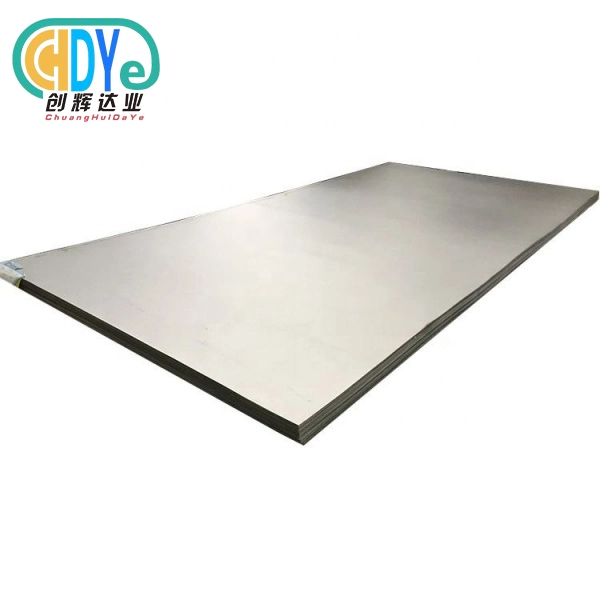
Understanding Titanium Metal Plates: Properties and Applications
Today's businesses need materials that can safely work in harsh circumstances while also lowering the weight and cost of the system over its lifetime. Titanium metal plates are the only ones that can meet these needs because they have special physical and mechanical qualities that can't be found anywhere else.
Exceptional Strength-to-Weight Performance
When it comes to strength-to-weight ratio, titanium metal plates are much better than other solid metals. Titanium weighs about 60% less than steel, with a density of 4.43–4.51 g/cm³, but has the same or even higher tensile strength. Because of this feature, aircraft engineers can make airframes and engine parts that are lighter, which directly leads to better fuel economy and more cargo room. Our titanium metal plates give you the best performance with the least amount of weight. This solves the basic design problem in situations where weight is important, and every gram counts.
Outstanding Corrosion Resistance
Titanium metal plates create a stable, self-healing metal layer that protects very well from harsh chemical conditions. This passive film doesn't let chlorides, acids, or salt damage it, so it stops the pitting and cavity rust that wears down stainless steel. Titanium metal plates are used in chemical processing plants for heat exchanger tubesheets and reactor tanks because other materials would quickly break down when exposed to wet chlorine gas, nitric acid, and hypochlorites. The better rust resistance can handle tough chemical settings and extreme conditions, so there is no need for expensive downtime or replacing parts all the time.
Industry-Specific Applications
Aerospace companies machine titanium metal plates into structural bulkheads, wing bolts, and landing gear sections. These parts must be able to handle repeated loads and temperature changes from -100°C to 600°C. Because they are biocompatible and easily fused with bone, Grade 1 and Grade 23 plates are used by medical device makers to make brain implants and surgical tools. Because the material isn't magnetic, doctors can use it with MRI machines, which is a very important condition for medical parts that are implanted. Marine engineering uses titanium metal plates in underwater drilling platforms and underground support structures because they can be used in salt water forever, which makes the initial investment worth it.
Available Grades and Their Characteristics
When choosing a material, you have to balance functional needs with cost, shapeability, and ease of use. Grade 1 has the best forming properties and is the most flexible. This makes it perfect for deep-drawn parts with complicated shapes. Grade 2 is the most common grade of commercial pure titanium. It has the best mix of strength, flexibility, and weldability for most industry uses. The strength of Grade 3 is average, and it can be shaped well. The strength of Grade 4 is higher, but it can still be shaped well enough for structural uses. Grade 5 (Ti-6Al-4V), which has 6% aluminum and 4% vanadium, is the main titanium alloy. It is forceful and is used in aircraft and high-performance race parts where strength is important.
The Manufacturing Process of Titanium Metal Plates
Procurement workers can learn about quality factors, wait times, and cost structures by understanding how titanium metal plates are made. From raw materials to finished plates, the production process uses specialized tools and tight rules that have a direct effect on how well the finished product works.
Raw Material Preparation and Melting
Titanium sponge, which is the main form of commercially pure titanium made through the Kroll process, is used to start the manufacturing process. This thin material needs to be pressed into thick bars that can be worked mechanically. We use an electron beam furnace and vacuum arc remelting to turn sponge into ingots that are all the same size. When VAR works, there is very high pressure, which keeps the metal from being contaminated by gases in the air that would weaken it. The slowly melting electrode creates a pool of liquid that hardens in a copper crucible cooled by water. This process achieves very high levels of purity and eliminates segregation flaws that negatively impact mechanical properties.
Forging and Primary Breakdown
Hot forging smooths out the grain structure of the cast ingot, making it easier to work with. The heating equipment we use boils the bars to about 1200°C, which is the best temperature range for hot working titanium. Hydraulic presses use controlled forces to break up the thick, columnar grain structure that is natural in cast material. They replace it with a fine, equiaxed microstructure that makes the material more flexible and difficult to break. Multiple forging passes with heating in between gradually lower the ingot's cross-section while stretching it out into a rectangular bloom that can be used for rolling.
Hot Rolling and Dimensional Control
Hot rolling turns forged blooms into titanium metal plates of a certain thickness. The rolling machine is made up of work rolls that squeeze the material, making it thinner while making it longer and wider. Rolling is done at high temperatures to keep the metal flexible and stop it from breaking. Multiple passes through the mill bring the width closer to the goal as the workers carefully control the temperature, the amount of reduction per pass, and the time between runs. Our modern rolling facilities can make titanium metal plates with thicknesses from 0.5mm to 50mm, widths from 500mm to 2000mm, and lengths up to 6000mm, so they can meet the needs of a wide range of businesses.
Heat Treatment and Annealing
Adding cold work during the last few rolling passes causes internal pressures and work-hardening that need to be eased to meet certain mechanical properties. Depending on the grade and the qualities that are wanted, the annealing kiln heats the titanium metal plates back and forth between 650°C and 800°C. This heat process lets the crystals recrystallize, which reduces leftover stresses and raises the material's flexibility and toughness. Controlled cooling rates stop grains from growing too quickly, which would hurt the performance of machines. Heat treatment also evens out small differences in makeup, making sure that the qualities are the same across the whole plate volume.
Surface Finishing and Inspection
The quality of the surface directly affects crack resistance, wear life, and the ability to weld. Descaling, which is usually done by mechanical blasting or chemical cleaning, gets rid of the oxide layers that form on titanium metal plates when they are hot worked. Machining processes on lathes make surfaces flat and allow for very accurate thickness limits. Our cutting machine cuts plates to the exact sizes you need with little damage to the edges. The cutting machine makes clean, straight cuts to the lengths that are needed for different tasks.
Quality Control and Testing
For the titanium metal plate, quality management during production ensures that the product meets both foreign norms and customer requirements. Our ISO 9001:2015 license shows that we have a method for quality control that includes checking the raw materials, keeping an eye on the work as it's being done, and checking the finished product. Ultrasonic screening and other non-destructive testing methods can detect flaws inside a material, such as gaps or inclusions. Measuring dimensions makes sure that the object is thick, flat, and within geometrical limits. Mechanical testing on representative samples showed that the tensile strength of up to 550 MPa and the yield strength of up to 485 MPa meet grade standards. Every package comes with full traceability paperwork, including material approvals, test results, and heat identification, which makes the whole supply chain clear.
Comparing Titanium Metal Plates with Other Metal Plates
When choosing a material, you have to weigh its performance features against the needs of the product and your budget. Knowing how titanium metal plates stack up against other metals helps you make smart purchases that will last for a long time.
As a result of their low cost and ability to prevent rust, stainless steel plates are suitable for a wide range of commercial settings. But in naval or chemical processing settings, where titanium metal plates work best, chloride-induced stress corrosion causes cracks and pits in stainless grades. Weight is very important when it comes to airplanes. Titanium's higher density lowers the structure mass by 40% compared to stainless steel. This directly improves fuel economy and operating costs. Aluminum plates are a great way to save weight and are resistant enough to rust in the air, but they can't handle high temperatures or keep their power like titanium metal plates can. Aluminum can't be used in high-temperature situations because it melts at around 660°C. Titanium metal plates, on the other hand, can keep their mechanical qualities up to 600°C or higher, based on the metal makeup.
Carbon steel is most common in structural uses that need to be cost-effective, but it requires protective coats in acidic environments, which raises the cost of upkeep and increases the chance of failure. The high strength-to-weight ratio gives the best performance with the least amount of weight. The higher original cost often justifies lower lifetime costs, no downtime, and longer repair intervals. Instead of just looking at the price, procurement managers should think about the total cost of ownership. This is especially important in situations where a material failure could cause major problems with operations or safety.
Procurement Considerations for Titanium Metal Plates
For buying to work, you need to look at more than just price quotes when reviewing providers. The success of a project and the value of a relationship in the long run are directly affected by technical skills, quality processes, and the dependability of the supply chain.
Supplier Evaluation and Certification
Reputable makers have strict quality control systems that are checked by outside approval. Getting ISO 9001:2015 approval means that you have organized ways of keeping an eye on production, keeping records, and making improvements all the time. Aerospace companies often have extra AS9100 certifications that show they meet the quality standards of the aircraft business. Check to see if the seller can make the types and sizes you need while also meeting the material requirements, like ASTM B265 for titanium metal plate or AMS 4911 for aircraft uses. Before placing a big order, ask for samples of the certificates and test results to check the quality of the paperwork and the systems for tracking it.
Customization and Technical Support
Standard sizes of titanium metal plates might not perfectly match the shapes of some parts, so they need to be cut and processed to order. Precision sawing, water jet cutting, and CNC turning are some of the value-added services that experienced providers give to deliver ready-to-use parts that cut down on customer processing time and material waste. Technical advice helps choose the best types that meet engineering needs, can be shaped, and are affordable. No matter if you need standard sizes or specifics, our production skills will ensure you get exactly what your project needs. This expertise is backed up by technical knowledge gained over decades of working in tough industries.
Pricing Dynamics and Bulk Ordering
Titanium metal plate prices change based on the supply of raw materials, the cost of energy, and the demand from major markets. Getting in touch with suppliers who offer low factory-direct prices gets rid of the markups that distributors add on and makes sure there is a steady supply. When you buy in bulk, you get economies of scale, which lower the cost per unit for big projects or yearly contracts. Custom sizes and metal ratios can be made to fit the exact needs of a project, making the best use of materials and reducing the need for extra processing. Ask for specific quotes that include the grade of the material, the size, the amount, the shipping terms, and the paperwork that is needed so that you can accurately compare prices from different sources.
Advantages and Long-Term Value of Choosing Titanium Metal Plates
Titanium metal plates give a clear return on investment through better operating performance, less upkeep, and longer asset life in tough situations where cheaper materials fail early.
The right mix of strength, lightweight, and long-lasting sturdiness can be found in our titanium metal plates. These plates work very well in many industrial settings because they are made of pure titanium and high-grade alloys. The better rust resistance can handle tough chemical settings and extreme conditions, which greatly lowers the cost of repairs and replacements over the life of the equipment. Parts put in chemical plants, water plants, and remote buildings work for decades without breaking down, so they don't need to be replaced as often as steel or copper metal options do.
Temperature resistance keeps qualities stable in very high and very low temperatures, like those found in space propulsion systems, industrial heat treatment ovens, and equipment used for cold processing. This thermal stability stops other materials from losing strength and deforming under creep when they are used at high temperatures. The long service life lowers the cost of repair and upkeep, which lets the plant operate more often and makes production more cost-effective. Titanium metal plates are easy to machine, weld, and make using standard metalworking methods because they have flexible processing properties. However, special processes are needed to improve joint quality and prevent contamination from happening.
As more businesses set goals for environmental duty, sustainability factors become more important in choosing materials. Titanium can be recycled over and over again, so scrap metal from manufacturing can be reused in melting processes without losing any of its properties. The material's resilience makes products last longer, which uses fewer resources and creates less trash than options that require more frequent replacement. These factors support buying strategies that are beneficial for the environment while also providing excellent technology performance.
Conclusion
Making titanium metal plates requires a lot of special skills, precise tools, and strict quality control to make sure the materials meet strict industry standards. Vacuum arc remelting, controlled rolling, heat treatment, and a thorough check are all steps in a process that makes sure plates have great rust resistance, strength-to-weight performance, and long-term dependability. We are Shaanxi Chuanghui Daye Metal Material Co., Ltd., and we are in Baoji, China, which is known as the "Titanium Capital." We have been in business for 30 years and use ISO 9001:2015-certified manufacturing methods to make high-purity titanium metal plates in grades 1 through 5. Our high-tech facilities, which include electron beam ovens, rolling equipment, and full testing services, let us meet unique requirements for small prototypes to large volumes of production. These facilities serve research, chemical processing, aerospace, and medical device needs all over the world.
FAQ
Q: What thickness options are available for titanium plates?
A: Commercial titanium metal plates sold in stores usually have a width between 0.5 mm and 50 mm. Thin plates less than 5 mm work well for uses that need to be shaped and keep the weight down. Heavy plates greater than 25 mm are needed for pressure tanks and parts that carry weight. To meet the needs of a particular pattern, custom sizes can be made.
Q: What factors influence titanium plate pricing?
A: The cost oThe cost of raw materials is the largest component of the price of titanium metal plates, and it fluctuates based on the titanium sponge market. standards, bigger sizes, and specialized metal formulas make processing more difficult. The amount of an order has a big effect on the unit price, and buying in bulk saves you money. Certification and testing levels cost more, but they ensure quality and can be tracked.
Q: Can titanium plates be cut to custom dimensions?
A:Manufacturers often use slicing, sawing, or water jet cutting to cut titanium metal plates to their customers' specifications. Thorough models with measurement limits make it possible to give accurate quotes and deliver ready-to-use blanks on time. This reduces customer processing needs and material waste.
Partner with a Trusted Titanium Metal Plate Manufacturer
Shaanxi Chuanghui Daye Metal Material Co., Ltd. offers high-performance titanium metal plates. They have been in the rare metals business for over 30 years and have ISO 9001:2015-approved quality systems. Our full production skills in China's titanium capital allow us to make grades 1 through 5 in thicknesses ranging from 0.5 mm to 50 mm, widths up to 2000 mm, and special lengths that are made to fit your exact needs. We provide stable supplies, affordable factory-direct prices, and full traceability documents to the aircraft, chemical processing, medical device, and research industries around the world. Our technical team can help you choose the right materials, figure out the best ways to handle them, and find solutions that work for your unique needs, whether you're looking for small amounts for a sample or long-term supply deals. Email our titanium metal plate supply team at info@chdymetal.com to talk about discuss and get thorough quotes that will help your project succeed.
References
1. Donachie, M.J. (2000). Titanium: A Technical Guide (2nd Edition). ASM International, Materials Park, Ohio.
2. Lütjering, G., & Williams, J.C. (2007). Titanium (2nd Edition). Springer-Verlag Berlin Heidelberg.
3. Boyer, R., Welsch, G., & Collings, E.W. (1994). Materials Properties Handbook: Titanium Alloys. ASM International.
4. Froes, F.H. (2015). Titanium: Physical Metallurgy, Processing, and Applications. ASM International.
5. Peters, M., & Leyens, C. (2003). Titanium and Titanium Alloys: Fundamentals and Applications. Wiley-VCH Verlag GmbH & Co. KGaA, Weinheim.
6. Schutz, R.W., & Watkins, H.B. (1998). Recent developments in the application of titanium alloys in the energy industry. Materials Science and Engineering: A, Volume 243, Issues 1-2, Pages 305-315.
Learn about our latest products and discounts through SMS or email