- English
- French
- German
- Portuguese
- Spanish
- Russian
- Japanese
- Korean
- Arabic
- Greek
- German
- Turkish
- Italian
- Danish
- Romanian
- Indonesian
- Czech
- Afrikaans
- Swedish
- Polish
- Basque
- Catalan
- Esperanto
- Hindi
- Lao
- Albanian
- Amharic
- Armenian
- Azerbaijani
- Belarusian
- Bengali
- Bosnian
- Bulgarian
- Cebuano
- Chichewa
- Corsican
- Croatian
- Dutch
- Estonian
- Filipino
- Finnish
- Frisian
- Galician
- Georgian
- Gujarati
- Haitian
- Hausa
- Hawaiian
- Hebrew
- Hmong
- Hungarian
- Icelandic
- Igbo
- Javanese
- Kannada
- Kazakh
- Khmer
- Kurdish
- Kyrgyz
- Latin
- Latvian
- Lithuanian
- Luxembou..
- Macedonian
- Malagasy
- Malay
- Malayalam
- Maltese
- Maori
- Marathi
- Mongolian
- Burmese
- Nepali
- Norwegian
- Pashto
- Persian
- Punjabi
- Serbian
- Sesotho
- Sinhala
- Slovak
- Slovenian
- Somali
- Samoan
- Scots Gaelic
- Shona
- Sindhi
- Sundanese
- Swahili
- Tajik
- Tamil
- Telugu
- Thai
- Ukrainian
- Urdu
- Uzbek
- Vietnamese
- Welsh
- Xhosa
- Yiddish
- Yoruba
- Zulu
How to Select the Right Grade 2 titanium round bar?
Selecting the appropriate Grade 2 titanium round bar requires careful attention to material specifications, supplier credentials, and application requirements. The right choice begins with verifying compliance to standards like ASTM B348, confirming mechanical properties align with your load-bearing needs, and ensuring traceability documentation from certified manufacturers. Matching diameter tolerances, surface finish requirements, and delivery timelines to your project demands establishes the foundation for reliable performance across aerospace, chemical processing, medical device manufacturing, and other critical industrial applications where material integrity cannot be compromised.
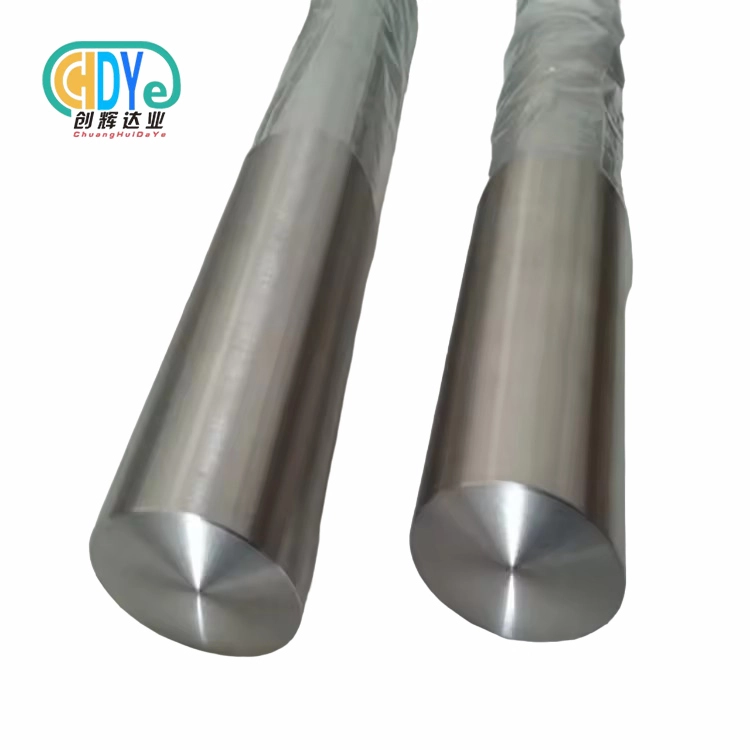
Understanding Grade 2 Titanium Round Bar Fundamentals
Grade 2 titanium round bars represent the best combination of mechanical strength, ease of fabrication, and cost-effectiveness among commercially pure grades. This type of material performs consistently in a wide range of industrial settings that need resistance to rust and weight reduction. Procurement professionals can make better decisions that meet technical requirements and budget limits when they understand the basic features.
Chemical Composition and Mechanical Properties
The interstitial elements of the material are carefully controlled to give it its performance profile. It has an amazing strength-to-weight ratio, with a density of 4.51 g/cm³, which is about 56% that of steel. The chemical makeup keeps the amount of iron to 0.30% and the amount of oxygen to 0.25%, which makes the metal flexible and easy to weld. The material promises a minimum yield strength of 275 MPa (40 ksi) and an ultimate tensile strength of 345 MPa (50 ksi). It also usually stretches more than 20%. These two things work together to let cold forming happen while keeping the structure's integrity under moderate stress.
Temperature resistance goes up to 315°C for constant use, but short trips to higher temps are still fine. The low modulus of elasticity at 103 GPa makes it useful in situations where vibrations need to be reduced or heat expansion needs to be taken into account. Because of these qualities, commercially pure titanium can be used for pump shafts, fasteners, and structural braces where Grade 5 alloy would be too expensive.
Manufacturing Techniques and Quality Standards
The way something is made has a big effect on how it turns out. Bars are made by hot rolling ingots that have been heated above the temperature at which they recrystallize. This makes cheap stock that can be used for general machining. When heated, forged bars change shape mechanically, which improves the directional strength properties that are needed in important rotating parts. Precision-ground finishes get rid of surface flaws, making it possible to get the tight specs needed for bearings or interference fits.
Following international standards is important for quality assurance. The ASTM B348 standard covers chemical make-up and engineering needs, while the ASME SB348 standard covers pressure tank uses. As part of AMS 4921, more limits are added for aircraft parts. Our factory in Baoji, China's Titanium Capital, makes sure that our products meet these standards. We keep our ISO 9001:2015 certification throughout the whole process, from inspecting the raw materials to melting, forging, and final checking. This methodical approach guarantees consistent performance from batch to batch and full documentation for tracking.
Industry Applications and Performance Advantages
Commercially pure titanium bars are used in a lot of different fields for specific tasks. The material is used by aerospace companies for non-load-bearing airframe parts, ducting systems, and hydraulic fittings where resistance to corrosion is more important than strength. Chemical processing plants use these bars for parts of valve stems, propeller shafts, and reactor interiors that are exposed to chlorine compounds, nitric acid, and other harsh chemicals that eat away at stainless steel, causing pitting rust.
Biocompatibility is important to companies that make medical devices because it helps keep surgery tool handles and non-implant equipment clean over and over again. Marine uses include propeller shafts, heat exchanger parts, and the structures of desalination plants that don't rust because they are resistant to rusting caused by microbes in saltwater. Titanium bars are being used more and more in performance exhaust systems and racing parts for cars because they reduce weight, which directly boosts power-to-weight ratios. Grade 2 is still the most commonly stated commercially pure titanium grade because it can be used in a wide range of tough situations.
Essential Criteria for Selecting Grade 2 Titanium Round Bars
To choose the right material, you need to carefully compare the technical specs to the needs of the application. When making a procurement decision, you should think about both performance and cost, and you should also make sure that the supplier can meet the project's deadlines and quality standards.
Matching Material Properties to Application Demands
First, make sure that the mechanical properties are in line with the stress conditions. Figure out the needed yield strength by using the highest expected stress and adding in the right safety factors. Make sure the tensile strength meets or beats the design requirements. Keep in mind that commercially pure grades have lower ultimate strength than alloyed options. Check the elongation percentages to make sure the material is flexible enough for shaping or meeting the needs for impact resistance.
In acidic settings, the chemical makeup is very important. The standard for Grade 2 titanium round bars says that the iron level can be up to 0.30%, which works well for most uses. But in harsh environments like service with concentrated nitric acid, low-iron variants that limit Fe below 0.05% may be better because they reduce the number of places where corrosion starts more easily. When fabricability is important, check the oxygen content specifications. Too many interstitials make cold-working and welding less effective.
Dimensional Specifications and Customization Options
In our standard production range, sizes range from 6mm to 350mm in diameter. Custom sizes can also be made to meet specific needs. Make sure that the diameter tolerances match the cutting limits or the as-supplied fit requirements. Precision-ground material usually has tighter tolerances than hot-rolled stock. Think about material waste, handling limitations, and shipping procedures when evaluating length requirements. Standard lengths are cheaper, but custom cutting makes the best use of material for large production runs.
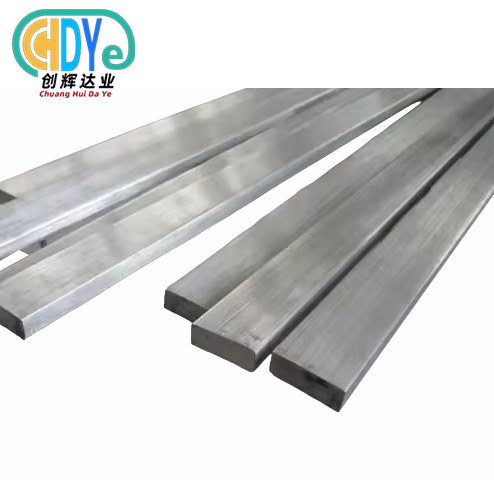
Cross-sectional geometry includes more than just round bars. It also includes square and hexagonal profiles, which can make some parts unnecessary to machine first. There are different types of surface finishes, from mill finish for further grinding to polished conditions for straight assembly. Talk to the seller about the minimum order numbers when you first start working with them. This is because custom specifications may require batch production minimums that can affect the project's costs and delivery times.
Supplier Evaluation and Certification Verification
Long-term buying success depends on how trustworthy the supplier is. Check the manufacturing skills, like the ability to melt, the forging tools, and the heat treatment facilities that affect the consistency of the material. Ask for proof of quality management system approval. For example, ISO 9001:2015 shows a dedication to controlling processes and always making them better. Before production starts, check the processes and methods used to get the raw materials to make sure they meet the composition requirements.
As part of the documentation, material test reports should be included that confirm the results of chemical analysis and mechanical testing for each production lot. Compliance with ASTM or an equivalent standard should be made clear on mill certificates, and heat numbers should be used to link the certificates to the original melting records. Check how quickly the provider is to contact and how much technical support is available. For complicated uses, you may need metallurgical advice during the design phase or help with troubleshooting during fabrication.
Comparing Grade 2 Titanium Round Bar with Alternative Materials
Understanding the differences in performance between different types of materials helps people make cost-effective decisions about what to buy. A comparative study should look at both the original costs of buying something and the costs that come up over its lifetime, such as repairs, replacements, and changes that affect how efficiently it works.
Grade 2 Versus Grade 5 Titanium Alloy
Grade 5 titanium is an alpha-beta alloy with 6% aluminum and 4% vanadium. It has a minimum yield of 828 MPa, which is three times the strength of commercially pure titanium. This strength advantage makes it possible to reduce the size of parts and save weight in high-performance racing and aerospace structures. But the metal costs about 40–60% more per kilogram and is harder to machine because it hardens during cutting and doesn't conduct heat as well.
Commercially pure Grade 2 titanium round bar works best in situations where corrosion resistance is more important than strength. Because it can be cold formed better than other materials, it lowers the cost of making parts that need to be bent, deep drawn, or swagged. Weldability benefits include lower heat input needs and a lower chance of weld defects, which makes fabrication easier without the need for special procedures. When engineering research shows that the lower strength is enough for the planned service conditions, Grade 2 is the most cost-effective option because it gives the same level of performance.
Titanium Versus Stainless Steel and Aluminum
Type 316 stainless steel costs about 30–50% less than commercially pure titanium at first, which makes it a good choice for jobs with limited funds. But titanium's corrosion resistance in chloride environments is much better than stainless steel's. This means that pitting corrosion doesn't happen, so parts don't have to be replaced too soon. A chemical processing plant that switched from 316 stainless steel valve stems to titanium valve stems saw their service life increase from 18 months to over 8 years in hypochlorite service. This showed that the higher acquisition costs were worth it in the long run.
Aluminum alloys have the lowest density, at about 2.7 g/cm³, but they are also the weakest and can't handle high temperatures. Titanium has a higher specific strength (the ratio of strength to weight) than most aluminum metals when compared sections of the same thickness. Titanium isn't magnetic, which makes it useful in electronic devices and medical imaging tools where aluminum's slight magnetic susceptibility is a problem. In exhaust systems and heat exchangers, where aluminum softens and titanium keeps its mechanical qualities, temperature resistance is very important.
Procurement Best Practices for Grade 2 Titanium Round Bars
Strategic buying practices improve the standard of Grade 2 titanium round bars, the dependability of deliveries, and the total cost of purchase. Systematic order management and engagement with suppliers lower procurement risks and build the basis for long-term supply relationships.
Identifying Reliable Manufacturing Partners
Use multiple-dimensional criteria to evaluate potential suppliers. Shipping costs and lead times are affected by where the goods are shipped. For example, local suppliers may offer faster delivery, while foreign sources may offer better prices for big orders. We work out of the Baoji High-Tech Development Zone, which has infrastructure for the titanium industry that is all connected and streamlined transportation networks that serve markets around the world. The fact that our facility is close to places where we can get raw materials and specialized processing tools lets us offer reasonable prices without lowering quality standards.
During the initial qualification, ask for building certificates and proof of the quality system. The manufacturing skills should match your technical needs, such as the ranges of diameters, processing methods, and testing tools. Check that the testing capabilities include chemical analysis, tensile testing, and non-destructive examination that are right for the criticality of your application. Being open about production capacity and present order backlogs helps set realistic delivery standards and make plans for what to do if something goes wrong with time-sensitive projects.
Optimizing Order Specifications and Logistics
During the request-for-quotation process, make sure that the dimensions, quantities, and delivery dates are all made clear. Give clear drawings or specifications that make it clear about tolerances, surface finish, and certification paperwork. Talk about the packaging needs to keep the items safe during shipping. For example, our standard moisture-proof cloth and foam cotton inner with wooden case exterior keeps surfaces from getting damaged or contaminated during foreign transport.
Through the amortization of production setup costs, minimum order amounts affect unit prices. Even though small amounts can still be used for study, production runs of more than 100 kilograms usually get better prices. When figuring out the best order size, you should compare the costs of keeping inventory with the chances of getting a volume discount. Flexible payment terms, such as a 30% deposit and the remaining 70% due before shipment, or letter of credit arrangements, can work with a wide range of corporate purchasing policies while still protecting both parties' interests.
When choosing a shipping method, you have to weigh cost and necessity. Express delivery services can send small amounts within days for a fee, which is good for testing prototypes or handling production situations. Air freight moves at a moderate speed and can handle moderate volumes. Ocean shipping, on the other hand, is the most cost-effective way to ship big orders where longer transit times are okay. We handle the logistics of shipping so that your deadlines and budgets are met.
Advantages and Strategic Benefits of Selecting Grade 2 Titanium Round Bars
Grade 2 titanium round bars offer real benefits in terms of operational performance, cost-effective upkeep, and regulatory compliance. These benefits build up over the life of the equipment, which is often enough to support the higher costs of purchase through total ownership value.
Corrosion resistance in harsh chemical settings gets rid of the problems that cause other materials to fail too soon. Titanium's oxide layer heals itself right away when it gets broken, unlike stainless steels that need passive sheets that can break down, protecting it permanently from chlorides, acids, and alkali solutions. This durability directly leads to longer service intervals, less downtime, and lower costs for maintenance labor. Facilities that use titanium parts in chemical processing, desalination, and seawater say that their maintenance costs are less than 60% of what they were when they used stainless steel.
The fact that the equipment is light makes it more efficient in turning situations where less inertial mass means less power use and bearing loads. The use of titanium in aerospace buildings reduces their weight, which allows them to carry more weight or go farther. Because it isn't magnetic, it doesn't mess up sensitive instruments used in medical imaging, making semiconductors, or scientific study, where ferromagnetic materials can make things more difficult to use.
Adhering to international standards for materials gives buyers confidence and regulatory approval. We strictly follow the rules set by ASTM B348, ASTM F67, and ASTM F136 when we make things. We back this up with a lot of paperwork, like mill test reports, material certificates, and records of where the materials came from. Our ISO 9001:2015 certification shows that we are dedicated to quality management at all stages of production, from checking the raw materials to doing the final inspection. This methodical quality assurance meets the strictest procurement needs in the defense, medical, and aircraft industries, where non-compliance with material approval causes project delays and expensive rework.
Biocompatibility creates chances in medical devices and tools used to process drugs. Because the material is compatible with human flesh, it can be used directly on surgical devices and diagnostic tools. Titanium's neutral surface chemistry is important to pharmaceutical companies because it keeps high-purity drug chemicals from getting contaminated during processing. These unique benefits make it possible to use it in more situations than just with normal engineering materials.
Conclusion
To choose the right Grade 2 titanium round bars, you need to carefully look at the properties of the material, the skills of the provider, and the cost over the whole lifespan. Technical requirements, such as mechanical strength, corrosion resistance, and dimensional tolerances, must match the needs of the application. Certification documentation makes sure that all regulations are met. When you evaluate a supplier based on their manufacturing skills, quality systems, and how responsive they are to communication, you build trusting relationships that will help your procurement succeed in the long run. When you compare titanium to other materials, you can see situations where its better performance makes up for its higher cost by giving you longer service life and lower upkeep costs. Strategic procurement practices that optimize order specifications and logistics coordination keep total costs low while maintaining the quality of materials and ensuring reliable delivery, which is necessary to keep production going.
FAQ
Q: What delivery lead times should I expect for standard versus custom sizes?
A: Standard diameter bars from stock usually ship 7–10 business days after the order is confirmed and the deposit is received. For custom sizes that need a certain width, length, or surface finish, it usually takes 3–4 weeks to plan production, make the parts, and check the quality. For orders with a lot of items or special processing, the time frame may be pushed back to 5–6 weeks. We give clear production schedules during the quotation process so that projects can be planned correctly and inventory can be managed effectively.
Q: Can titanium bars be welded to stainless steel components?
A: When titanium is directly fused to stainless steel, brittle intermetallic compounds are made, which means the weld fails right away. When joining metals that are not the same, you need to use mechanical connections like flanges, threaded fittings, or explosion-bonded bimetallic transition joints that were made just for this reason. Based on your specific construction needs and service conditions, our expert team can suggest the best ways to join things.
Q: How does Grade 2 compare to Grade 1 titanium in practical applications?
A: Grade 2 titanium round bar work in real life compared to Grade 1 titanium? Grade 1 has smaller amounts of intermediate elements, which makes it slightly more flexible and easy to shape, but it is also weaker. Because Grade 2 has a higher final tensile strength (240 MPa vs. 345 MPa), it is better for uses with mild stress levels, where the higher strength lets smaller cross-sections or better safety factors happen. Since both grades offer the same level of corrosion protection, strength needs should be the main factor used to choose between these commercially pure versions.
Partner with Chuanghui Daye for Your Titanium Sourcing Needs
Shaanxi Chuanghui Daye Metal Material Co., Ltd. has been in the rare metal business for more than 30 years and can help you with your buying needs. As a reliable company based in Baoji's Titanium Capital that makes Grade 2 titanium round bars, we offer factory-direct prices on materials that are certified to meet ASTM B348, ASTM F67, and ASTM F136 standards. Our large inventory has diameters ranging from 6mm to 350mm, and we can make any changes you need to meet your exact needs. The ISO 9001:2015 certification ensures strict quality control throughout production, and our expert team helps with application support to make sure the best material is chosen. You can email us at info@chdymetal.com to get detailed specifications, competitive quotes, and solutions that are made to fit your needs in aerospace, chemical processing, medical device manufacturing, or industrial manufacturing.
References
1. American Society for Testing and Materials. (2021). ASTM B348-21: Standard Specification for Titanium and Titanium Alloy Bars and Billets. West Conshohocken, PA: ASTM International.
2. Boyer, R., Welsch, G., & Collings, E.W. (2018). Materials Properties Handbook: Titanium Alloys. Materials Park, OH: ASM International.
3. Donachie, M.J. (2000). Titanium: A Technical Guide, 2nd Edition. Materials Park, OH: ASM International.
4. Lutjering, G. & Williams, J.C. (2007). Titanium: Engineering Materials and Processes. Berlin: Springer-Verlag.
5. Schutz, R.W. & Watkins, H.B. (1998). "Recent Developments in Titanium Alloy Application in the Energy Industry." Materials Science and Engineering A, 243(1-2), 305-315.
6. International Organization for Standardization. (2015). ISO 9001:2015 Quality Management Systems — Requirements. Geneva: ISO Central Secretariat.
Learn about our latest products and discounts through SMS or email