- English
- French
- German
- Portuguese
- Spanish
- Russian
- Japanese
- Korean
- Arabic
- Greek
- German
- Turkish
- Italian
- Danish
- Romanian
- Indonesian
- Czech
- Afrikaans
- Swedish
- Polish
- Basque
- Catalan
- Esperanto
- Hindi
- Lao
- Albanian
- Amharic
- Armenian
- Azerbaijani
- Belarusian
- Bengali
- Bosnian
- Bulgarian
- Cebuano
- Chichewa
- Corsican
- Croatian
- Dutch
- Estonian
- Filipino
- Finnish
- Frisian
- Galician
- Georgian
- Gujarati
- Haitian
- Hausa
- Hawaiian
- Hebrew
- Hmong
- Hungarian
- Icelandic
- Igbo
- Javanese
- Kannada
- Kazakh
- Khmer
- Kurdish
- Kyrgyz
- Latin
- Latvian
- Lithuanian
- Luxembou..
- Macedonian
- Malagasy
- Malay
- Malayalam
- Maltese
- Maori
- Marathi
- Mongolian
- Burmese
- Nepali
- Norwegian
- Pashto
- Persian
- Punjabi
- Serbian
- Sesotho
- Sinhala
- Slovak
- Slovenian
- Somali
- Samoan
- Scots Gaelic
- Shona
- Sindhi
- Sundanese
- Swahili
- Tajik
- Tamil
- Telugu
- Thai
- Ukrainian
- Urdu
- Uzbek
- Vietnamese
- Welsh
- Xhosa
- Yiddish
- Yoruba
- Zulu
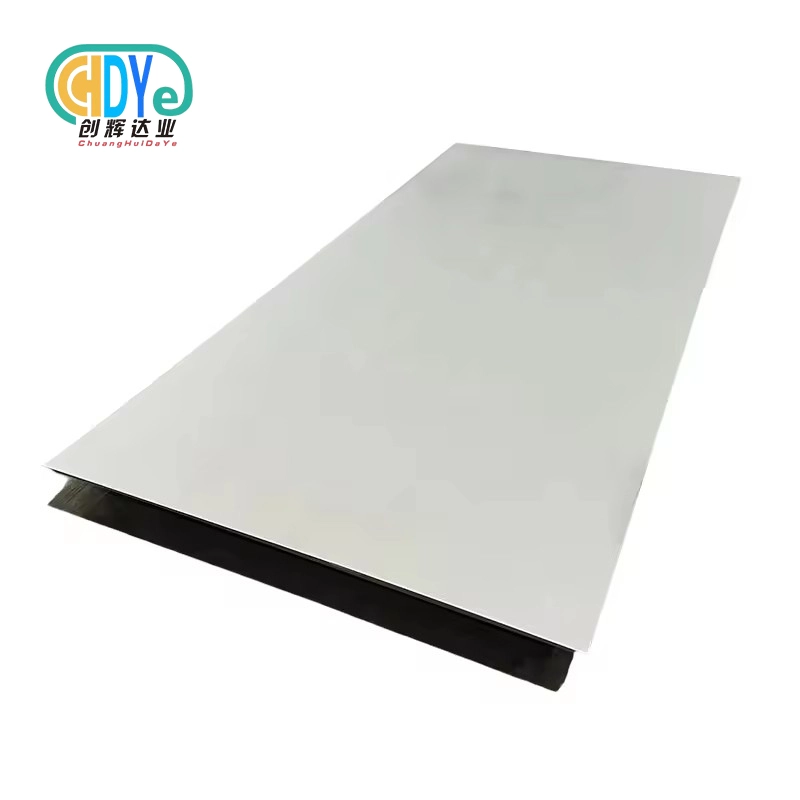
Industrial Gr2 Titanium Plate – Custom Sizes Available
Concurring to engineers and obtainment experts around the world, Gr2 Titanium Plate is the best fabric for requesting mechanical applications. This high-purity commercial titanium item is fundamental in aviation and chemical preparing due to its erosion resistance, ductility, and formability. Custom measuring to your determinations guarantee best fit and execution for any extend challenge, setting us separated.
Understanding GR2 Titanium Plate – Properties and Specifications
Commercially immaculate titanium Review 2 has 99.2% titanium, 0.25% press, 0.03% carbon, 0.08% oxygen, and 0.015% nitrogen. Its exact composition makes it the most versatile titanium review, combining quality and workability.
Mechanical Properties That Drive Performance
Our Gr2 Titanium Plates are industry favorites due to their mechanical properties. The fabric has tall ductility and ductile quality of 345-485 MPa. Prolongation values regularly approach 20%. The thickness of 4.51 g/cm³ conveys almost 1.5 times the quality of normal carbon steel whereas weighing almost half as much. This tall strength-to-weight proportion opens up plan openings over industries.
Hardness levels of 120-200 HV give wear resistance and awesome formability. Review 2 titanium is reasonable for surrounding and raised temperature applications due to its steady mechanical qualities.
Standard and Custom Dimensions Available
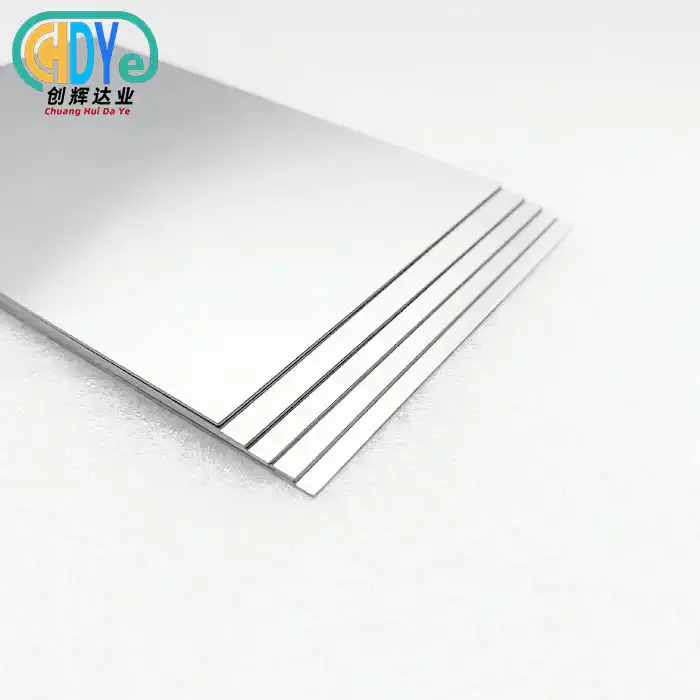
Standard plate widths are 1000mm to 2000mm and lengths up to 6000mm. The thickness ranges from 0.5mm for thin applications to 100mm for heavy-duty structural components. Our production capabilities go beyond these conventional offers.
Custom dimensions for your project are possible with our modern processing facilities. Our tailored sizing ensures material efficiency and reduces waste for large-scale production and precision-cut parts for specialty applications. Our vacuum-melting and hot-rolling procedures ensure consistent quality across custom orders with thickness tolerance of ±0.1mm.
Exceptional Corrosion Resistance in Harsh Environments
Grade 2 titanium plates outperform most industrial materials in corrosion. After decades in saltwater, the material shows little deterioration. Its resilience to chlorine compounds provides corrosion rates of less than 0.001 mm/year in moist chlorine conditions at 80°C for chemical processing.
Most organic, mineral, and alkaline solutions are acid-resistant. Titanium Grade 2 survives aqua regia, where other materials fail. This high corrosion resistance extends service life, lowers maintenance costs, and improves vital application safety.
Comparing GR2 Titanium Plate with Other Materials
Understanding material choices lets procurement professionals choose based on performance and budget. Material categories have different benefits depending on applications.
GR2 vs GR5 Titanium Alloy Performance
Grade 5 titanium (Ti-6Al-4V) has 900-1200 MPa tensile strength, compared to 345-485 MPa for GR2. This strength advantage reduces ductility and raises material prices. Grade 2 titanium is ideal for formability, corrosion resistance, and biocompatibility. GR2 is ideal for chemical processing and medicine because its pure titanium composition prevents aluminum or vanadium leaching.
Processing advantages favor Grade 2 titanium for complex shaping. The material's cold formability makes deep drawing, spinning, and other forming processes easier than with Grade 5 alloy.
Stainless Steel Comparison Analysis
316L stainless steel is corrosion-resistant and cheaper, whereas titanium Grade 2 excels in chloride conditions and weight-critical applications. Titanium's marine stress corrosion cracking resistance offers it an edge over stainless steel in offshore applications. Despite higher initial investment, lifecycle cost analysis favors titanium due to its longer service life and lower maintenance.
Aluminum and Other Lightweight Alternatives
While aluminum alloys have a lower density (2.7 g/cm³), they lack the corrosion resistance and high-temperature stability of titanium Protective coatings for metal in corrosive conditions complicate maintenance. Titanium's inherent oxide layer protects permanently without treatment.
Specialty alloys like Inconel perform well at high temperatures but cost more and weigh more. Grade 2 titanium is ideal for applications without severe temperature resistance because to its balanced characteristics.
Procurement Guide for GR2 Titanium Plates – What B2B Buyers Need to Know
Understanding quality, supplier capabilities, and market dynamics is essential for titanium procurement. Titanium processing is difficult, requiring careful supplier selection and quality verification.
Certification Requirements and Quality Standards
For chemical make-up and mechanical properties, all titanium plates must meet ASTM B265 and ISO 5832 norms. Mill test papers should be sent with every shipment so that the whole process can be tracked, from the raw materials to the finished goods. Look for providers that are certified by ISO 9001:2015 and, if necessary, have approvals from the aerospace industry, such as AS9100.
Quality checks include more than just certificates. They also check for things like cleanliness, accuracy in measurements, and a smooth finish on the surface. For medical and aircraft uses, extra tests might be needed, like ultrasonic inspection for internal flaws or surface contamination analysis.
Lead Times and Inventory Management Strategies
Gr2 Titanium Plates in standard sizes usually take between 4 and 6 weeks to arrive from major suppliers. Custom sizes, on the other hand, can take up to 12 weeks, based on how complicated they are. Keeping a strategic inventory of widely used sizes and using custom capabilities for unique needs are common parts of successful procurement strategies.
Minimum order amounts depend on the supplier and the size needs. The MOQ for standard plates is usually between 100 kg and 500 kg, but for custom shapes, it's usually higher. Costs can be cut and lead times shortened by planning purchases around project schedules and combining orders from different uses.
Pricing Factors and Cost Optimization
Titanium prices change based on the cost of raw materials, how hard it is to process, and how much desire there is in the market. Custom sizes usually cost 15–30% more than standard sizes, but the cost is often covered by the fact that less material is wasted and less cutting is needed.
When stock is limited, volume commitments can help you get better pricing and first pick on allocations. Long-term supply deals keep prices stable and make sure that essential supplies are always available. Managing supply chain risks is easier when you work with sellers who keep enough inventory and flexible production capacity.
Why Partner with Trusted GR2 Titanium Plate Suppliers?
The titanium business needs sources with a lot of technical know-how, cutting-edge production tools, and a strong dedication to quality. Partnering up with reliable suppliers gives you a competitive edge by giving you access to a steady supply of goods, technical help, and chances to keep improving.
Manufacturing Excellence and Technical Capabilities
Vacuum melting technology is used in advanced factories to make sure that materials are pure and consistent. Our hot-rolling and cold-rolling skills allow us to meet a wide range of thickness needs while keeping tight tolerances on dimensions. With precision leveling equipment, you can get the required amount of flatness for fabrication processes.
The abilities of heat treatment, such as annealing and stress relieving, make the qualities of a material better for certain uses. Acid cleaning and other surface treatment methods make sure that the surface is ready for welding and forming. These all-around processing skills get rid of the need for multiple providers and make sure that quality is maintained throughout the supply chain.
Quality Assurance Systems and Traceability
Strict quality control starts with inspecting the raw materials as they come in and goes through all the steps of processing. Statistical process control keeps an eye on important parameters to make sure that the quality of the result stays the same. From smelting to the final review, all the information can be tracked back to its source.
Verification testing by a third party adds more quality assurance for important apps. Ultrasonic screening and other non-destructive testing methods can find problems inside that could affect performance. Surface analysis makes sure that semiconductor and medical uses meet cleanliness standards.
Custom Solutions and Value-Added Services
Engineering support helps choose the best materials and specifications for each purpose. Design advice can help you find ways to save money on materials by making layouts and sizes more efficient. Support for technical documents helps with the approval and qualification of materials.
With secondary processing services like cutting, machining, and making, you can get all of your needs met from a single source. This unified method cuts down on wait times, makes sure that everything works together, and makes managing the supply chain easier. Consistency in quality across all production steps protects the properties and performance of the material.
Conclusion
Industrial Gr2 Titanium Plate, which can be made in any size, is a smart material choice for tough jobs in aerospace, chemical processing, and medical device making. This material is perfect for critical uses where performance and dependability are very important because it is highly resistant to corrosion, biocompatible, and has good mechanical properties. Custom sizing cuts down on wasteful materials and makes sure that products fit perfectly for unique needs, eventually providing better value by lowering costs and improving performance.
FAQ
Q: What makes Grade 2 titanium different from other titanium grades?
A: Grade 2 titanium represents commercially pure titanium with 99.2% titanium content, offering the optimal balance of strength, ductility, and corrosion resistance. Unlike Grade 5 which contains aluminum and vanadium additions for higher strength, Grade 2 maintains excellent formability and biocompatibility while providing superior corrosion resistance compared to Grade 1.
Q: How long do custom-sized titanium plates take to manufacture?
A: Custom-sized titanium plates typically require 8-12 weeks for production, depending on dimensional requirements and complexity. Our advanced manufacturing capabilities and flexible production scheduling can often accommodate urgent requirements with expedited processing when needed.
Q: Can Grade 2 titanium plates be heat treated for enhanced properties?
A: Grade 2 titanium responds well to annealing treatments that optimize ductility and stress relief. While it cannot be significantly strengthened through heat treatment like Grade 5 alloys, proper thermal processing enhances formability and ensures optimal mechanical properties for specific applications.
Q: What quality certifications accompany titanium plate shipments?
A: Every shipment includes comprehensive mill test certificates documenting chemical composition, mechanical properties, and dimensional specifications. Additional certifications such as NACE compliance, FDA conformance, or aerospace specifications can be provided when required for specific applications.
Contact Chuanghui Daye for Premium Gr2 Titanium Plate Solutions
Ready to experience the advantages of working with a trusted Gr2 Titanium Plate manufacturer? Shaanxi Chuanghui Daye combines over 30 years of rare metal expertise with advanced manufacturing capabilities to deliver precisely what your projects demand. Our custom sizing options, ISO 9001:2015 certification, and comprehensive quality assurance ensure every plate meets your exacting specifications. Contact our technical team at info@chdymetal.com to discuss your requirements and receive detailed quotations tailored to your specific applications.
References
1. ASTM International. "Standard Specification for Titanium and Titanium Alloy Strip, Sheet, and Plate." ASTM B265-20a, West Conshohocken, PA, 2020.
2. Titanium Development Association. "Guidelines for Heat Treatment of Titanium Alloys." Technical Manual Series, London, UK, 2019.
3. Lütjering, Gerd, and James C. Williams. "Titanium: Engineering Materials and Processes." 2nd Edition, Springer-Verlag Berlin Heidelberg, 2007.
4. International Organization for Standardization. "Implants for Surgery - Metallic Materials - Part 2: Unalloyed Titanium." ISO 5832-2:2018, Geneva, Switzerland, 2018.
5. Boyer, Rodney R. "An Overview on the Use of Titanium in the Aerospace Industry." Materials Science and Engineering: A, Volume 213, Issues 1-2, 1996.
6. Schutz, R.W., and H.B. Watkins. "Recent Developments in Titanium Alloy Application in the Energy Industry." Materials Science and Engineering: A, Volume 243, Issues 1-2, 1998.
Learn about our latest products and discounts through SMS or email