- English
- French
- German
- Portuguese
- Spanish
- Russian
- Japanese
- Korean
- Arabic
- Greek
- German
- Turkish
- Italian
- Danish
- Romanian
- Indonesian
- Czech
- Afrikaans
- Swedish
- Polish
- Basque
- Catalan
- Esperanto
- Hindi
- Lao
- Albanian
- Amharic
- Armenian
- Azerbaijani
- Belarusian
- Bengali
- Bosnian
- Bulgarian
- Cebuano
- Chichewa
- Corsican
- Croatian
- Dutch
- Estonian
- Filipino
- Finnish
- Frisian
- Galician
- Georgian
- Gujarati
- Haitian
- Hausa
- Hawaiian
- Hebrew
- Hmong
- Hungarian
- Icelandic
- Igbo
- Javanese
- Kannada
- Kazakh
- Khmer
- Kurdish
- Kyrgyz
- Latin
- Latvian
- Lithuanian
- Luxembou..
- Macedonian
- Malagasy
- Malay
- Malayalam
- Maltese
- Maori
- Marathi
- Mongolian
- Burmese
- Nepali
- Norwegian
- Pashto
- Persian
- Punjabi
- Serbian
- Sesotho
- Sinhala
- Slovak
- Slovenian
- Somali
- Samoan
- Scots Gaelic
- Shona
- Sindhi
- Sundanese
- Swahili
- Tajik
- Tamil
- Telugu
- Thai
- Ukrainian
- Urdu
- Uzbek
- Vietnamese
- Welsh
- Xhosa
- Yiddish
- Yoruba
- Zulu
Premium Titanium Alloy Sheet for High-Strength Applications
Premium titanium alloy sheet represents the pinnacle of engineered metal solutions for industries demanding exceptional performance under extreme conditions. These lightweight yet incredibly strong materials combine titanium's natural corrosion resistance with carefully selected alloying elements to create sheets that outperform conventional metals in aerospace, medical, chemical processing, and defense applications. The unique metallurgical properties of these alloys enable manufacturers to achieve superior strength-to-weight ratios while maintaining excellent formability and long-term durability in the most challenging operational environments.
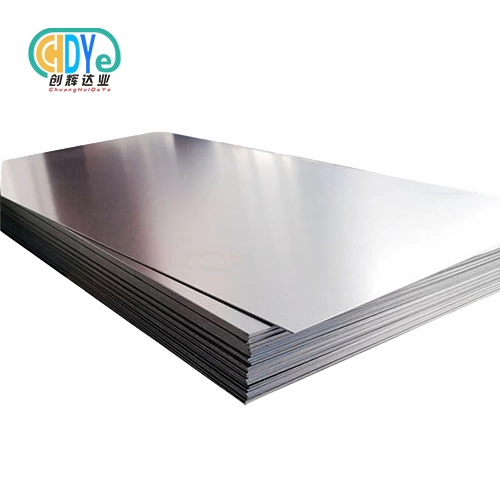
Understanding Titanium Alloy Sheets: Properties and Types
The basic properties of titanium alloy sheet stem from its complex chemical makeup and carefully managed microstructures. These high-tech materials usually have aluminum, vanadium, and other important elements added to them that improve the natural qualities of the titanium. This makes the materials lighter (43% less dense than steel) while still having great specific strength.
Chemical Composition and Grades
Purchasing experts can use grade classification methods to find the right materials by using standard criteria. For chemical handling, Grade 1 titanium is the most resistant to corrosion and is easy to shape. For general industrial use, Grade 2 titanium is the best mix of strength and ease of shaping. Grade 5 (Ti-6Al-4V), which is made up of 6% aluminum and 4% vanadium, is the workhorse of the industry. It has tensile powers of over 130,000 PSI and great resistance to wear. The aluminum in these metals acts as an alpha stabilizer, making them stronger and lighter, and the vanadium acts as a beta stabilizer, making them easier to work with and less likely to break. This carefully planned mixture makes materials that stay strong even when they are loaded and unloaded many times, which would break regular metals.
Mechanical Properties and Performance Characteristics
When engineers know how titanium alloy sheet materials behave mechanically, they can make sure that parts are designed to work best under certain loads. Compared to steel's 30 million PSI, titanium alloys' 16 million PSI elastic modulus makes them more flexible, which lowers stress concentrations in complex systems while still keeping enough stiffness for structural uses. Performance at high temperatures is another important benefit. These materials keep their strength at high temperatures, while aluminum alloys would soften a lot. The material is very resistant to fatigue, especially in marine settings, because it can make protective oxide layers that stop cracks from starting and spreading.
How Premium Titanium Alloy Sheets Meet High-Strength Application Needs
Modern ways of making things have changed how premium titanium alloy sheet materials are made, making it possible to get uniform quality and performance that meets the strict needs of safety-critical uses. Modern vacuum melting methods get rid of the contamination problems that used to happen when titanium was processed, and precise rolling processes make it possible for aircraft and medical device makers to get the exact sizes they need.
Advanced Manufacturing Processes
The first step in the production process is vacuum arc remelting, in which raw materials are heated several times to make sure they are chemically uniform and get rid of any small flaws. Electron beam ovens keep the alloy's chemistry stable by providing a controlled atmosphere, and advanced temperature tracking makes sure that the microstructure develops properly throughout the process. Using CNC-controlled tools for cold rolling lets you get thickness tolerances of less than 0.002 inches, which means that the metal can be directly put into precision structures without any extra work. The controlled hardening that happens during rolling improves the mechanical qualities while keeping the shapeability that is needed for complicated manufacturing tasks.
Quality Control and Testing Protocols
At every stage of production, thorough testing methods make sure that the qualities of the materials are correct. Tensile testing confirms the strength values, and fatigue testing under simulated working conditions proves the ability to work well over time. Advanced spectroscopic methods are used for chemical analysis to make sure that the alloy makeup fits the standards. Ultrasonic inspection finds any internal cracks that could affect performance. Surface finish needs vary depending on the application. For example, flight parts need surfaces that are as mirror-bright as possible to keep cracks from starting, while pickled finishes can be used in industrial settings and still provide a good surface quality at a lower cost. Each handling choice is based on careful thought about the needs of the end use and ways to cut costs.
Comparing Titanium Alloy Sheets with Alternative Metals for Procurement Decisions
When making choices about what to buy, it's not enough to just compare prices; you need to look at the total cost of ownership. Even though titanium alloy sheet materials are more expensive than stainless steel or aluminum options, their better performance often makes the cost worth it by extending the life of the product and requiring less upkeep.
Performance Comparison Analysis
Alternatives made of stainless steel are cheaper at first, but they have a much higher density (about 8.0 g/cm³), which makes them less fuel-efficient for shipping and heavier for buildings. While stainless steel's resistance to rust is good enough for many uses, titanium's performance is better in chloride-rich settings or high-temperature oxidizing conditions. Aluminum alloys have good strength-to-weight ratios and are reasonably priced, but they aren't stable at high temperatures and don't fight rust well enough for demanding uses. Galvanic compatibility problems happen when aluminum touches other metals in sea settings, which adds to the design limitations that titanium alloys get rid of.
Lifecycle Cost Considerations
Total cost research shows that choosing a titanium metal is a good idea for long-term use. Because the material doesn't crack under stress, it doesn't need to be replaced as often as other alloy systems do. Its biocompatibility also lets it be used in places where metals aren't normally used. In marine uses, where titanium doesn't need any protective coatings, lower maintenance costs often make up for higher starting material costs within the first service time. Titanium metals can be recycled, which is good for the economy because recovered material keeps all of its performance capabilities and commands a high scrap value. As companies try to be more environmentally responsible, this sustainability factor plays a bigger role in their buying decisions.
How to Source and Buy Premium Titanium Alloy Sheets Effectively
To successfully buy quality titanium alloy sheet products, you need to work with providers who understand both the technical needs and the delivery issues. Because processing titanium is so specialized, choosing the right seller has a big effect on the success of the project. This is why approval processes are so important for lowering risk.
Supplier Evaluation Criteria
The best suppliers set themselves apart by having complete quality management systems. ISO 9001:2015 certification is the base level that can be met. A lot of advanced suppliers keep aircraft licenses (AS9100) that show they can handle the toughest jobs. It is important to be able to track down raw materials because where the titanium sponge comes from and how it was processed affect its end qualities. An evaluation of a company's manufacturing capabilities should look at both the complexity of its tools and its process control systems. Suppliers who have electron beam ovens, vacuum annealing tools, and modern rolling equipment can provide more consistent materials than those who only use traditional processing methods. Having extra processes like precision cutting, forming, and surface treatment available adds value by making the supply chain less complicated.
Technical Support and Customization Services
Good suppliers offer technical support during the whole planning process, which helps make sure that the right materials are used for the job. Through grade improvement or processing changes that keep performance the same while making economic sense, this kind of teamwork often finds ways to lower costs. Custom thickness ranges, unique surface finishes, and non-standard sheet sizes show that the provider is flexible, which is important for projects that are complicated. Different industries have different documentation needs when it comes to quality. For example, medical device makers need full material certification packages, while industrial users may be fine with normal test records. Documentation systems are an important part of the review process because suppliers' skills in this area have a direct effect on project timelines and legal compliance.
Technical Specifications and Quality Assurance in Titanium Alloy Sheets
Following international standards makes sure that materials are reliable and work the same way all over the world's supply lines. Specifications set by ASTM include specific rules for chemical makeup, mechanical features, and testing methods that make it possible to choose materials with confidence and check their quality.
ASTM Standards and Compliance Requirements
ASTM B265 is the basic standard for titanium alloy sheet products. It tells you what the makeup limits are, what the mechanical property requirements are, and how to test each grade. The standard's standards for oxygen and nitrogen content have a direct effect on how flexible and resistant to fatigue a material is. This is why compliance proof is so important for quality assurance. For aerospace uses, meeting more standards is necessary, and AMS specs provide higher standards for important applications. These standards usually call for certain ways to handle the material, more tests, and tighter controls over its chemical makeup to make sure it works reliably in safety-critical situations.
Testing and Inspection Protocols
Standardized procedures that mimic service conditions are used in mechanical testing protocols to confirm the properties of materials. Tensile testing finds out the yield strength, maximum tensile strength, and stretch values. Hardness testing, on the other hand, quickly checks the quality of the product during production. Impact testing, especially when the temperature is low, makes sure that the toughness is good enough for uses that will be loaded with shocks. Using X-ray fluorescence or inductively coupled plasma methods for chemical analysis makes sure that the alloy's makeup is within certain limits. Analysis of interstitial elements (oxygen, nitrogen, and hydrogen) needs special methods because they have a big effect on mechanical qualities, even at low concentrations. All test results are recorded in certificate packages, which makes it possible for quality control tools to track them down.
Conclusion
High-quality titanium alloy sheet materials are necessary for businesses that need to perform at their best in tough circumstances. The unique mix of high strength, low weight, and excellent rust protection makes it possible to do things that would not be possible with regular materials. Procurement pros can make choices that improve performance and cost-effectiveness by learning about material grades, manufacturing methods, and quality standards. Investing in high-quality titanium metals pays off in the long run because they last longer, need less upkeep, and give you access to tough markets where material performance determines your competitive edge.
FAQ
Q: What makes Grade 5 titanium alloy superior for aerospace applications?
A: The Grade 5 (Ti-6Al-4V) titanium alloy has vanadium and aluminum added to it, which makes it stronger and better at resisting wear. The aluminum content makes the solid solution stronger and lowers its bulk, and the vanadium content makes it easier to work with and harder to break. This mix provides tensile strengths greater than 130,000 PSI and great protection against stress corrosion cracking in aircraft settings.
Q:How can buyers verify material quality before purchase?
A: To check the quality, you need a lot of paperwork, like certificates for chemistry analyses, reports on mechanical tests, and records of the working history. Material test certificates (MTCs) from reputable providers show where the raw materials came from and what steps were taken to prepare them. When specs call for extra assurance, testing by a third party can confirm important qualities.
Q: Are custom thicknesses and surface finishes available for specialized applications?
A: Modern facilities for making titanium can handle unique thickness needs, from thin foils to thick plates. Tight accuracy controls are achieved through precision rolling. There are different types of surface finishes, such as mill finish, pickled, and polished, so that the right one can be used for the job. Custom processing lets you get the best results for specific shaping tasks and surface treatment needs.
Q: What processing equipment ensures optimal titanium alloy sheet quality?
A: For advanced processing, you need vacuum melting ovens to keep things clean, electron beam tools to precisely control the chemistry, and CNC rolling mills to make sure the dimensions are correct. Controlled atmosphere annealing ovens make sure that the microstructures form properly, and high-tech testing equipment checks the properties of the material as it is being made.
Q: How do delivery timelines compare between standard and custom specifications?
A: Standard grade materials from qualified sources usually ship between 1-2 weeks, but based on how complicated they are, custom specs may take 2-3 weeks. Keeping smart supplies on hand can help suppliers cut down on wait times for common grades, but custom chemistry or special processes can make delivery times longer. Project delays can be avoided by planning buying timelines around these facts.
Partner with Chuanghui Daye for Premium Titanium Alloy Solutions
Shaanxi Chuanghui Daye Metal Material Co., Ltd. stands as your trusted titanium alloy sheet supplier. We have been working with rare metals for over 30 years and have advanced manufacturing skills in China's famous "Titanium Capital." Our ISO 9001:2015-certified facility ensures consistent quality through vacuum melting, precision rolling, and strict testing protocols. We are experts at making titanium alloy sheets that are precisely processed to meet the needs of aircraft, medical, and industrial uses. Get in touch with our technical team at info@chdymetal.com to talk about your specific needs and get customized prices that show how committed we are to giving you the best value for your high-strength material needs.
References
1. Boyer, Rodney, Gerhard Welsch, and E.W. Collings. "Materials Properties Handbook: Titanium Alloys." ASM International, Materials Park, OH, 1994.
2. Donachie, Matthew J. "Titanium: A Technical Guide, 2nd Edition." ASM International, Materials Park, OH, 2000.
3. Lutjering, Gerd, and James C. Williams. "Titanium: Engineering Materials and Processes." Springer-Verlag, Berlin, Germany, 2007.
4. Peters, M., A. Hemptenmacher, J. Kumpfert und C. Leyens. "Structure and Properties of Titanium and Titanium Alloys." Titanium and Titanium Alloys: Fundamentals and Applications, Wiley-VCH, 2003.
5. Schutz, R.W., and H.B. Watkins. "Recent Developments in Titanium Alloy Application in the Energy Industry." Materials Science and Engineering A, Vol. 243, Issues 1-2, 1998.
6. Welsch, Gerhard, Rodney Boyer, and E.W. Collings. "Materials Properties Handbook: Titanium Alloys Processing." ASM International, Materials Park, OH, 1993.
Learn about our latest products and discounts through SMS or email