- English
- French
- German
- Portuguese
- Spanish
- Russian
- Japanese
- Korean
- Arabic
- Greek
- German
- Turkish
- Italian
- Danish
- Romanian
- Indonesian
- Czech
- Afrikaans
- Swedish
- Polish
- Basque
- Catalan
- Esperanto
- Hindi
- Lao
- Albanian
- Amharic
- Armenian
- Azerbaijani
- Belarusian
- Bengali
- Bosnian
- Bulgarian
- Cebuano
- Chichewa
- Corsican
- Croatian
- Dutch
- Estonian
- Filipino
- Finnish
- Frisian
- Galician
- Georgian
- Gujarati
- Haitian
- Hausa
- Hawaiian
- Hebrew
- Hmong
- Hungarian
- Icelandic
- Igbo
- Javanese
- Kannada
- Kazakh
- Khmer
- Kurdish
- Kyrgyz
- Latin
- Latvian
- Lithuanian
- Luxembou..
- Macedonian
- Malagasy
- Malay
- Malayalam
- Maltese
- Maori
- Marathi
- Mongolian
- Burmese
- Nepali
- Norwegian
- Pashto
- Persian
- Punjabi
- Serbian
- Sesotho
- Sinhala
- Slovak
- Slovenian
- Somali
- Samoan
- Scots Gaelic
- Shona
- Sindhi
- Sundanese
- Swahili
- Tajik
- Tamil
- Telugu
- Thai
- Ukrainian
- Urdu
- Uzbek
- Vietnamese
- Welsh
- Xhosa
- Yiddish
- Yoruba
- Zulu
Titanium Coil Wire Performance in Harsh Conditions
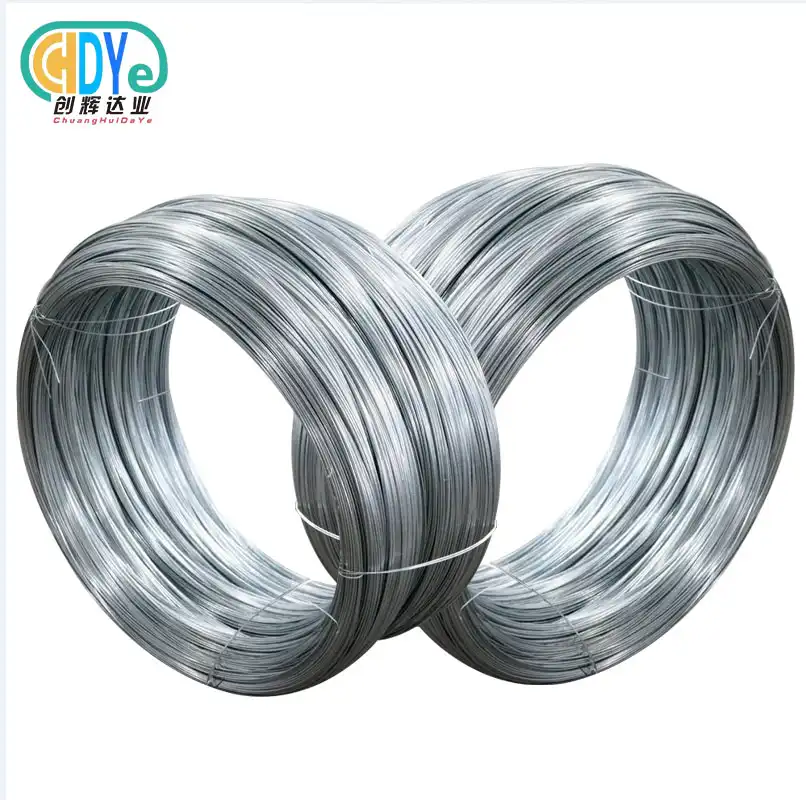
When you need materials that won't break down in harsh chemicals, high temperatures, titanium coil wire or constant mechanical stress, titanium coil wire is the only choice. This continuous spooled wire format is made from commercially pure titanium or high-strength alloys. It has a great resistance to corrosion and a high strength-to-weight ratio, which are both very important for aircraft fuel systems, chemical processing equipment, and making medical implants. Knowing how titanium wire reacts to harsh conditions helps purchasing managers find materials that lower the total cost of ownership across key applications by reducing downtime, increasing service life, and lowering the cost of repair.
Understanding Titanium Coil Wire and Its Core Properties
What Defines Titanium Coil Wire
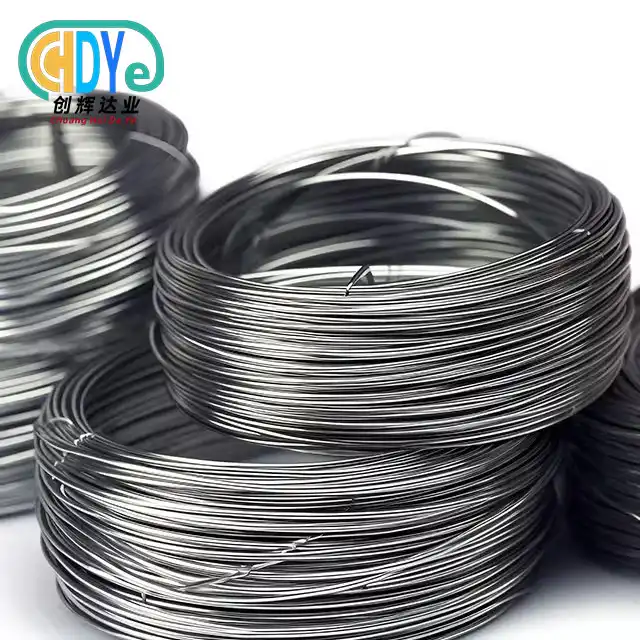
When vacuum melting, hot rolling and cold drawing are used to make titanium coil wire, a continuous filament of titanium metal is wound onto precise spools. This coiled shape, unlike cut-length rods, makes it possible for automatic feeding in high-volume welding, additive manufacturing, and fastener production. The material solves one of the biggest problems in industrial manufacturing: it gets rid of the need for regular breaks to reload materials while keeping the same size tolerances across kilometres of wire.
Common Grades and Their Chemical Compositions
Two grades are mostly used in the titanium business for coil wire applications. Commercially pure Grade 2 titanium has an oxygen percentage of less than 0.25% and is made up of 99.2% titanium. For chemical processing parts and building uses, this composition is great because it can be shaped easily and doesn't rust. Grade 5 titanium alloy (Ti-6Al-4V) has tensile strengths between 895 and 930 MPa, which is almost twice as high as Grade 2. It is made up of 6% aluminium and 4% vanadium. Aerospace and defence makers need this alloyed composition because it improves stability at high temperatures and resistance to fatigue.
Performance of Titanium Coil Wire in Harsh Conditions
The Science Behind Exceptional Corrosion Resistance
Titanium is very strong in harsh settings because it forms a passive titanium coil wire layer of titanium dioxide (TiO₂) on its own. This very thin oxide film is only 1 to 10 nanometres thick, and it heals itself right away when it gets scratched or worn down. This makes it resistant to chemical attack. Titanium's oxide layer stays solid in seawater, concentrated acids, and alkaline solutions, but stainless steel's chromium oxide layer breaks down when chloride levels reach more than 200 ppm. Accelerated corrosion testing in the lab shows that titanium wire can withstand being exposed to 10% sulphuric acid at 80°C for 5,000 hours without losing its structural integrity. This is in conditions that would dissolve 316L stainless steel in just 200 hours.
Temperature Tolerance and Mechanical Stability
In addition, titanium works well in a wide range of temperatures. From -253°C (where hydrogen is liquid) to 315°C, the mechanical properties of Grade 2 wire stay the same. The same is true for Grade 5 metal up to 400°C. It is very important for aircraft applications that fuel lines can be as cold as -55°C at high altitude and as hot as 180°C close to engine parts. Its thermal growth rate is 8.6 × 10⁻⁅/°C, which means that it doesn't change size much when heated and cooled many times. This stops fatigue cracks from forming, which can happen in steel and metal parts that are used in the same way.
How Titanium Coil Wire Is Manufactured and Tested for Reliability
From Raw Material to Finished Wire
The first step in the process is to use the Kroll process to make a titanium sponge. Vacuum arc remelting (VAR) gets rid of any impurities and makes the structure the same all over. When this ingot is hot forged at 900–1100°C, the cross-sectional area gets smaller, and the grain structure gets better. The width is lowered to its final size by cold drawing it several times through tungsten carbide dies that get smaller each time. An annealing step in the middle, at 650–750°C, stops work hardening and makes the metal more flexible. Precision level-winding devices are used to keep the wires from crossing over or getting tangled during the coiling process. This is a key feature for automated feeding systems. There are dedicated production lines at our plant in Baoji's Titanium Capital district. These lines have electron beam melting furnaces and multi-stage drawing tools that can make wires with diameters from 0.1 mm to 5 mm and a level of accuracy of ±0.02 mm.
Quality Assurance and Standards Compliance
Material traceability starts when the raw materials, titanium coil wire, are received. X-ray fluorescence spectroscopy is used to check the chemical makeup and make sure that the alloy content meets customer requirements. For aerospace AS9100 and medical ISO 13485 compliance, each production batch gets a unique identification code that connects the finished wire to the source ingot, as well as information on the heat treatment settings and inspection data. Tensile strength verification according to ASTM E8 is part of mechanical testing. For Grade 2 wire, readings usually reach 345–380 MPa, and for Grade 5 wire, they reach 895–930 MPa. A 10X microscope is used to check the surface quality. Any cracks, laps, or seams that are bigger than 2% of the wire thickness are automatically rejected, which stops problems from happening later on in the process.
Comparing Titanium Coil Wire with Other Materials for Procurement Decisions
Titanium versus Stainless Steel
Lifecycle analysis often shows that the original price advantage of 316L stainless steel wire is lost, as it costs 40–60% more than titanium Grade 2. Because of pitting corrosion, stainless steel parts in chloride settings usually need to be replaced every 3 to 5 years. Titanium installations, on the other hand, usually last longer than 20 years. Titanium wire, at 4.43 g/cm³, weighs 44% less than stainless steel, which weighs 8.0 g/cm³. This means that in aerospace uses, titanium wire saves a lot of fuel, and in chemical processing plants, it means less need for structural support. Titanium is also easier to maintain than stainless steel because it doesn't need protective coatings or cathodic protection systems, as stainless steel does in harsh settings.
Grade Selection Strategy
Grade 1 titanium offers maximum formability with 240 MPa tensile strength, suitable for deep-drawn components and applications prioritising cold-working capability over ultimate strength. Grade 2 strikes the optimal balance for general industrial use, combining 345 MPa strength with excellent corrosion resistance and moderate pricing. Grade 5 (Ti-6Al-4V) commands premium pricing—typically 180-220% of Grade 2 costs—but delivers unmatched performance where high strength, elevated temperature capability, and fatigue resistance justify investment. Medical implant manufacturers universally specify Grade 5 for load-bearing applications like hip stems, while chemical processing favours Grade 2 for heat exchanger tubing where corrosion resistance outweighs strength requirements.
Procuring Titanium Coil Wire: What B2B Buyers Need to Know
Identifying Reputable Manufacturers
Geographic concentration in Baoji, China, creates a mature supply ecosystem with over 600 titanium processors, though quality varies significantly across suppliers. Look for manufacturers with dedicated wire drawing facilities rather than trading companies sourcing from multiple producers—this ensures consistent material pedigree and simplifies quality issue resolution. Established producers typically maintain 10+ years of operating history with verifiable aerospace or medical customer references. Certification portfolios should include ISO 9001:2015 as a baseline, titanium coil wire with AS9100D for aerospace applications and ISO 13485 for medical device supply chains. We at Chuanghui Daye have operated for three decades under the leadership of rare metal industry veterans, maintaining complete vertical integration from melting through final wire production.
Custom Wire Specifications for OEM Projects
Standard wire diameters are 0.5, 0.8, 1.0, 1.5, 2.0, 3.0, 4.0, and 5.0 mm, which are based on metric measurements. However, custom dimensions can be made to fit particular needs, with a minimum order quantity of 50 to 100 kg. You can get the surface bright-drawn (Ra ≤ 0.4 μm) for jewellery use, pickled (Ra 0.8–1.6 μm) for welding wire, or ground (Ra ≤ 0.2 μm) for medical parts that need to be very precise. Spool shapes can be changed to fit the customer's equipment. For example, normal D300 plastic spools can hold 10 to 25 kg, and precision SD100 spools are made for automated feeding systems that need to control the winding tension more precisely. Special packaging in vacuum-sealed bags with desiccant stops surface oxidation when things are stored for a long time or sent abroad.
Wholesale Purchasing and Lead Time Planning
Standard Grade 2 wire takes 4 to 6 weeks to make after an order is confirmed. For Grade 5 alloy, it takes 8 to 12 weeks because of longer heat treatment processes and stricter quality standards. Supply is sometimes limited by the availability of raw materials. For example, during 2021–2022, shortages of titanium sponge caused lead times to reach 16 weeks or more across the industry. Keeping a buffer of two to three months' worth of inventory on hand guards against supply problems, but titanium's long shelf life makes strategic stockpiling possible. Freight factors affect the total landed cost: shipping goods by sea from China to U.S. ports takes 4 to 6 weeks and costs $2 to $4 per kilogram; shipping goods by air takes 5 to 7 days and costs $12 to 18 per kilogram; estimates favour shipping goods by sea unless urgent prototype needs are met.
Conclusion
Titanium wire has a history of working well in harsh industrial environments, and titanium coil wire is especially valued for applications requiring continuous winding, precision forming, and stable conductivity. This is because of its unique properties, which include passive oxide formation that protects against corrosion and self-healing, high strength-to-weight ratios that reduce structural mass, and fatigue resistance that lets it last for decades in demanding situations. When purchasing materials, procurement professionals should compare the original costs to the long-term value of the materials. Titanium's higher price often leads to a lower total cost of ownership due to its longer service life and lack of maintenance. Choosing the right grade depends on the needs of the application. For example, Grade 2 alloy is best for chemical processing and medical devices because it is resistant to rust and easy to shape. Grade 5 alloy, on the other hand, is best for aerospace and defence applications because it is stronger and can handle higher temperatures. To do a good job of procurement, you need to work with certified manufacturers who can provide full traceability documents, custom processing, and technical support as the project develops. Titanium wire is still an important engineering answer that balances performance, durability, and long-term value. This is because industries need materials that work reliably in harsher environments.
FAQ
1. Why does titanium wire outperform stainless steel in corrosive environments?
The titanium dioxide passive layer regenerates instantly when damaged, maintaining protection in chloride concentrations and acidic conditions that cause pitting and stress corrosion cracking in stainless steel's chromium oxide film. Testing shows titanium survives 5,000+ hours in 10% sulfuric acid while 316L stainless steel fails within 200 hours under identical conditions.
2. How do I select the appropriate titanium grade for my specific application?
Grade 2 suits general industrial applications requiring excellent corrosion resistance and formability at moderate strength (345 MPa tensile). Grade 5 (Ti-6Al-4V) delivers nearly double the strength (895 MPa) with superior high-temperature performance and fatigue resistance, justified for aerospace, automotive, and load-bearing medical implant applications where performance requirements exceed Grade 2 capabilities.
3. Which certifications are essential to ensure titanium wire quality?
ISO 9001:2015 certification provides baseline quality system verification. Aerospace suppliers require AS9100D certification, while medical device applications demand ISO 13485 compliance. Material conformance to ASTM B863 specifications with complete chemical analysis and mechanical testing documentation remains mandatory. FDA Device Master File registration proves essential for medical-grade wire intended for implantable devices or surgical instruments.
Partner with Chuanghui Daye for Reliable Titanium Wire Solutions
Shaanxi Chuanghui Daye Metal Material Co., Ltd. stands ready to support your titanium coil wire requirements with ISO 9001:2015 certified manufacturing and three decades of rare metal expertise. Our Baoji facility produces Grade 2 and Grade 5 titanium wire from 0.1 to 5 mm diameter, backed by complete material traceability and ASTM B863 compliance documentation. Whether your application demands corrosion-resistant wire for chemical processing equipment, high-strength alloy for aerospace components, or biocompatible material for medical devices, we deliver factory-direct pricing on titanium coil wire without compromising quality or reliability. As a trusted titanium coil wire manufacturer serving global aerospace, medical, and industrial clients, we provide technical consultation, custom spool configurations, and expedited production for urgent projects. Contact our engineering team at info@chdymetal.com to discuss your specific requirements, request material certifications, or arrange sample evaluation—we're committed to becoming your long-term titanium wire supplier with consistent quality and responsive service.
References
1. Boyer, R., Welsch, G., & Collings, E.W. (1994). Materials Properties Handbook: Titanium Alloys. ASM International, Materials Park, Ohio.
2. Donachie, M.J. (2000). Titanium: A Technical Guide, 2nd Edition. ASM International, Materials Park, Ohio.
3. Schutz, R.W. & Watkins, H.B. (1998). Recent developments in the application in the energy industry. Materials Science and Engineering A, 243(1-2), 305-315.
4. Lutjering, G. & Williams, J.C. (2007). Titanium, 2nd Edition. Springer-Verlag, Berlin Heidelberg.
5. ASTM International (2021). ASTM B863-21: Standard Specification for Titanium and Titanium Alloy Wire. West Conshohocken, Pennsylvania.
6. Veiga, C., Davim, J.P., & Loureiro, A.J.R. (2012). Properties and applications of titanium alloys: A brief review. Reviews on Advanced Materials Science, 32(2), 133-148.
Learn about our latest products and discounts through SMS or email