- English
- French
- German
- Portuguese
- Spanish
- Russian
- Japanese
- Korean
- Arabic
- Greek
- German
- Turkish
- Italian
- Danish
- Romanian
- Indonesian
- Czech
- Afrikaans
- Swedish
- Polish
- Basque
- Catalan
- Esperanto
- Hindi
- Lao
- Albanian
- Amharic
- Armenian
- Azerbaijani
- Belarusian
- Bengali
- Bosnian
- Bulgarian
- Cebuano
- Chichewa
- Corsican
- Croatian
- Dutch
- Estonian
- Filipino
- Finnish
- Frisian
- Galician
- Georgian
- Gujarati
- Haitian
- Hausa
- Hawaiian
- Hebrew
- Hmong
- Hungarian
- Icelandic
- Igbo
- Javanese
- Kannada
- Kazakh
- Khmer
- Kurdish
- Kyrgyz
- Latin
- Latvian
- Lithuanian
- Luxembou..
- Macedonian
- Malagasy
- Malay
- Malayalam
- Maltese
- Maori
- Marathi
- Mongolian
- Burmese
- Nepali
- Norwegian
- Pashto
- Persian
- Punjabi
- Serbian
- Sesotho
- Sinhala
- Slovak
- Slovenian
- Somali
- Samoan
- Scots Gaelic
- Shona
- Sindhi
- Sundanese
- Swahili
- Tajik
- Tamil
- Telugu
- Thai
- Ukrainian
- Urdu
- Uzbek
- Vietnamese
- Welsh
- Xhosa
- Yiddish
- Yoruba
- Zulu
Titanium Plates FAQ: Everything You Should Know
Titanium plates are the best choice for engineers and purchasing managers who need to make important decisions about materials. They are used in aircraft, chemical processing, medical device manufacturing, and marine engineering. These flat-rolled metal goods, which are usually thicker than 4.75 mm, have the best corrosion resistance, strength-to-weight ratios, and long-term durability of any material on the market. It doesn't matter if you need Commercially Pure titanium grades or high-strength alloys like Ti-6Al-4V. To get the best performance and total cost of ownership from your industrial projects, you need to understand the finer points of material properties, procurement strategies, and fabrication techniques.
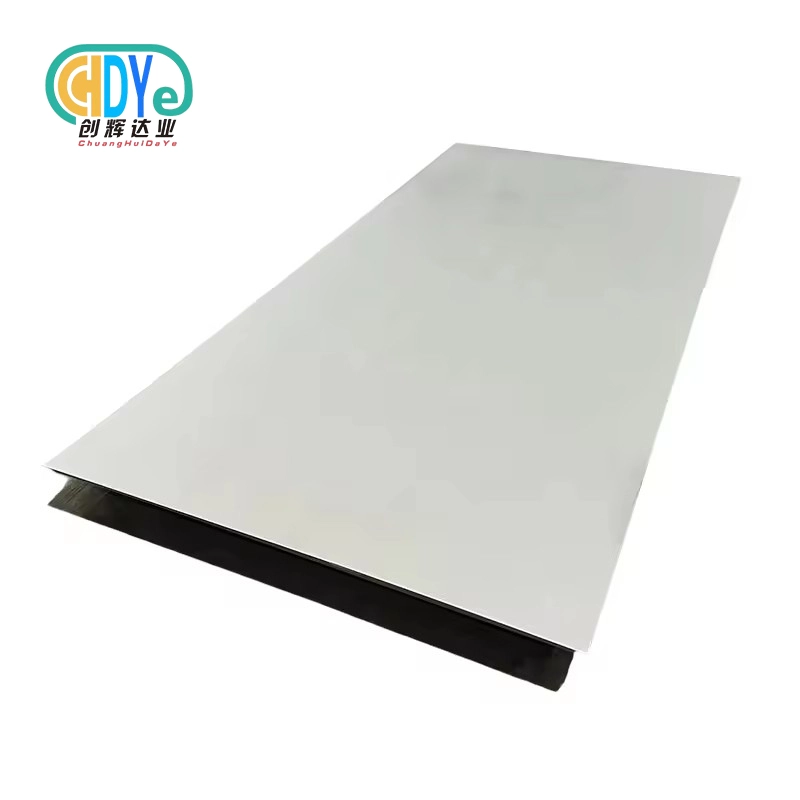
Understanding Titanium Plates: Properties, Grades, and Benefits
Core Material Properties That Drive Industrial Value
Titanium plates stand out because of the way their metal makes them. The oxide passivation layer that forms naturally protects against pitting corrosion in chloride-rich environments. It keeps its integrity up to 260°C, which is much higher than the temperature at which stainless steel would break severely. With a density of about 4.5 g/cm³, which is about 45% less than steel, these materials solve the "weight penalty" problem in aircraft structures and offer tensile strengths of more than 550 MPa in alloy grades.
Navigating Titanium Grades for Optimal Selection
Commercially Pure titanium grades get stronger as you go up the grades, while still being easy to shape and join. Grade 1, which has the least amount of oxygen, is the most flexible and is best for deep drawing processes in chemical equipment. Grade 2 is the workhorse of the industry; it balances good mechanical qualities with low cost for a wide range of uses. When we talk about alloys, Grade 5 (Ti-6Al-4V) is used for aircraft parts that need to be strong but light, and Grade 7 has palladium added to it to make it more resistant to reducing acids that are used in chemical processing. It is very important to understand how the makeup of the alloy and the conditions of service affect each other. Medical device makers usually choose Grade 23 (Ti-6Al-4V ELI) for implants because it has very little interstitial material, which makes it biocompatible. At the same time, chemical plant workers choose Grade 7 materials for titanium plates for acetic acid reactors because they are better at resisting corrosive attack.
Titanium Plates vs. Other Metal Plates: Comparison and Decision Making
Strength and Weight Considerations Across Materials
Titanium has different performance levels when compared to steel, aluminium, and nickel alloys. Steel plates have a high tensile strength and are cheap to make, but their high density makes them less useful in aircraft. Aluminium is almost as light as titanium, but it doesn't have the same corrosion protection or high-temperature capabilities. As a result, Grade 5 titanium alloy is about 30% stronger than aluminium. This makes it essential for structural parts of aeroplanes, where every kilogram influences fuel economy. Nickel metals can be used in high-temperature situations, but titanium works better in oxidising environments up to 600°C. Even though stainless steel is often chosen because it doesn't rust, it can crack from chloride stress corrosion in situations where titanium can grow forever.
Economic Tradeoffs in Material Selection
When making a purchase choice, the initial cost of the materials must be weighed against the ongoing costs of running the asset over its lifetime. Titanium is usually 3–8 times more expensive per kilogram than stainless steel, but this is justifiable when you consider how long it lasts, how little work it takes to maintain, and how protective coatings are not needed. When chemical processing plants switch from stainless steel to titanium heat exchangers, they usually see a payback time of three to five years because the titanium makes cleaning easier and reduces fouling. It also gets rid of the need to account for corrosion in wall thickness calculations. Pure titanium grades are used in low-cost situations where moderate strength is enough, while alloyed versions are used in tough situations where better mechanical qualities are needed. By making this difference, engineers can make sure that material requirements are just right, rather than being too specific, which drives up project costs needlessly.
Practical Guidance on Working with Titanium Plates
Specialised Fabrication Techniques for Titanium
When machining titanium plates, different methods are needed than when working with other metals. Because the material doesn't transfer heat well, heat builds up at the cutting edges, which speeds up tool wear. For CNC operations, cutting speeds should be slowed down to about half of what they are for steel, and cooling flow should be high. Carbide or PCD tools should also be sharp. Laser cutting allows for precise geometry without mechanical stress, but the cut sides need to be protected by an inert gas shield to keep them from oxidising. When done at controlled temperatures, forming processes take advantage of titanium's great flexibility. For smooth shapes, cold forming is still possible, but for complicated shapes, warm forming at 200–400°C is better because it lowers springback and work hardening. For welding to work, the area must be very clean and protected from inert gases. Welds that are contaminated by air gases are weak and can crack when they are put under load.
Maintenance Protocols That Preserve Performance
Even though titanium doesn't naturally rust, regular care makes it last longer. Titanium plates and keeps the surface in great shape. When cleaning, you should not use rough materials that hurt the protective metal layer. Mild alkaline cleansers and soft brushes work well to get rid of process residues without hurting passivation. Chemical plants that use titanium equipment in settings with more than 50ppm of fluoride must do regular checks, since fluoride ions are one of the few species that can get through titanium's natural defences. In high-heat situations, tracking the temperature is necessary. Titanium is very good at resisting oxidation, but if it is exposed to air above 540°C for a long time, too much scale forms, which can make it hard to keep to the limits for size. Long working campaigns don't damage components as long as they get enough airflow and are descaled on a regular basis.
Buying and Procuring Titanium Plates: What B2B Clients Need to Know
Sourcing Strategies for Industrial Buyers
Titanium plates can be bought directly from manufacturers, through specialised metal distributors, or through area service centres. By cutting out middlemen and their markups, working directly with factories like those in China's "Titanium Capital" regions can lead to lower prices. Distributors make things easier and offer smaller lot sizes, but they add extra layers of profit that make unit costs go up. Large buyers usually arrange long-term supply agreements to get stable prices and a guaranteed allocation when the market is tight. Verification of certification is the most important part of quality assurance. As an example, ASTM B265 for titanium plates and AMS guidelines for aerospace use spell out the limits of chemical composition, the necessary mechanical properties, and the testing procedures. Reliable suppliers keep their ISO 9001:2015 certification up to date and provide full material traceability paperwork that connects each plate to its original ingot melt number.
Pricing Dynamics and Order Optimisation
Titanium plate prices change depending on a number of factors, such as the grade chosen, the thickness range, the surface finish needed, and the number of plates ordered. When it comes to prices, commercially pure grades are less expensive than complicated alloys like Ti-6Al-4V. For custom rolling projects, thicknesses greater than the normal mill production ranges (usually 0.5 to 50 mm) cost more. Different suppliers have different minimum order amounts, but for standard grades, they usually start at 100 to 500 kg. For custom alloys, commitments must be much bigger. International shipping processes add more things to think about when buying things around the world. Because titanium is a high-value item, it needs to be transported safely and with the right security. Standard mill products have lead times of 6 to 12 weeks, while custom specifications may need 12 to 16 weeks to allow for material qualification and testing processes.
Leading Titanium Plate Suppliers You Can Trust
Evaluating Supplier Credentials and Capabilities
Selecting a reliable supplier partner extends beyond price comparison alone. Quality credentials, Titanium plates form the foundation—ISO 9001:2015 certification ensures systematic process control, while industry-specific approvals like AS9100 for aerospace or FDA registration for medical applications validate domain expertise. Customer testimonials and case study evidence reveal supplier responsiveness during supply chain disruptions and technical problem-solving capabilities. Manufacturing capabilities directly impact project feasibility. Advanced facilities equipped with electron beam melting furnaces produce higher-purity materials critical for semiconductor applications. In-house machining capabilities streamline custom component production, eliminating secondary operations that extend lead times. Suppliers offering comprehensive testing—including ultrasonic inspection, chemical analysis, and mechanical property verification—assure that materials meet stringent specifications.
Strategic Partnership Benefits in High-Stakes Projects
Aerospace manufacturers sourcing titanium for airframe components require suppliers who understand qualification procedures and maintain rigorous lot traceability. Medical device producers need partners capable of supporting FDA submissions with complete material documentation. Chemical plant operators value suppliers offering technical support during equipment design phases, recommending optimal grades based on specific process chemistries. Located in Baoji High-tech Development Zone—China's premier titanium production hub—Shaanxi Chuanghui Daye Metal Material Co., Ltd. exemplifies supplier excellence through three decades of rare metal expertise. Our ISO 9001:2015 certified operations encompass complete production chains from melting through final machining, ensuring quality control at every stage. Engineers seeking custom titanium plate solutions benefit from our in-house capabilities spanning electron beam furnaces, precision rolling mills, and advanced CNC machining centres.
Conclusion
Selecting appropriate titanium plate materials requires balancing technical performance requirements against economic realities across the full asset lifecycle. Understanding grade distinctions, comparative advantages over alternative metals, and proper fabrication techniques empowers procurement teams to make informed decisions that optimise both immediate project success and long-term operational efficiency. Strategic supplier partnerships, grounded in verified quality credentials and responsive technical support, transform material procurement from transactional purchasing into collaborative engineering relationships that enhance competitive positioning in demanding industrial markets.
FAQ
1. How do I determine the right titanium grade for my application?
Material selection hinges on three primary factors: mechanical load requirements, corrosion exposure conditions, and fabrication constraints. Applications demanding maximum corrosion resistance in reducing acid environments benefit from Grade 7's palladium additions. Projects prioritising high strength-to-weight ratios in elevated temperature service typically specify Grade 5 (Ti-6Al-4V). Consulting with experienced suppliers who understand your specific operating conditions streamlines grade selection and prevents costly over-specification.
2. What makes titanium plates superior to stainless steel for corrosion resistance?
Titanium's naturally forming, self-healing oxide layer provides immunity to chloride-induced pitting and crevice corrosion that destroys stainless steel in seawater and brine environments. This passivation remains stable across broad pH ranges and temperatures up to 260°C, eliminating the stress corrosion cracking failures common in austenitic stainless grades under tensile loading in chloride-containing media.
3. Can I order custom dimensions, and what are typical lead times?
Custom titanium plate fabrication accommodates specific dimensional requirements, including non-standard thicknesses, precision-cut shapes, and specialised surface finishes. Standard mill products ship within 6-8 weeks, while custom rolling campaigns and machined components typically require 10-14 weeks, depending on complexity and current production schedules. Requesting detailed specifications early in the procurement cycle allows suppliers to optimise manufacturing sequencing and minimise delays.
Partner With Chuanghui Daye for Reliable Titanium Plate Solutions
Shaanxi Chuanghui Daye Metal Material Co., Ltd. delivers factory-direct titanium plate products engineered to meet rigorous industrial demands. Titanium plates are used across aerospace, chemical processing, medical devices, and marine applications. As an established titanium plates manufacturer backed by 30+ years of rare metal expertise and ISO 9001:2015 certification, we provide comprehensive material solutions from standard CP grades through specialised alloy compositions. Our integrated production facilities in China's Titanium Capital enable competitive pricing, flexible small-batch capabilities, and accelerated prototyping for urgent projects. Contact our technical sales team at info@chdymetal.com to discuss your specific material requirements and receive customised quotations supported by complete traceability documentation and expert engineering consultation.
References
1. American Society for Testing and Materials. (2021). "ASTM B265: Standard Specification for Titanium and Titanium Alloy Strip, Sheet, and Plate." ASTM International, West Conshohocken, PA.
2. Boyer, R., Welsch, G., & Collings, E.W. (1994). "Materials Properties Handbook: Titanium Alloys." ASM International, Materials Park, Ohio.
3. Donachie, M.J. (2000). "Titanium: A Technical Guide, 2nd Edition." ASM International, Materials Park, Ohio.
4. Lutjering, G. & Williams, J.C. (2007). "Engineering Materials and Processes: Titanium, 2nd Edition." Springer-Verlag, Berlin.
5. Schutz, R.W. & Thomas, D.E. (1987). "Corrosion of Titanium and Titanium Alloys." Metals Handbook, Volume 13: Corrosion, ASM International.
6. Peters, M., Kumpfert, J., Ward, C.H., & Leyens, C. (2003). "Titanium Alloys for Aerospace Applications." Advanced Engineering Materials, Volume 5, Issue 6, pages 419-427.
Learn about our latest products and discounts through SMS or email