- English
- French
- German
- Portuguese
- Spanish
- Russian
- Japanese
- Korean
- Arabic
- Greek
- German
- Turkish
- Italian
- Danish
- Romanian
- Indonesian
- Czech
- Afrikaans
- Swedish
- Polish
- Basque
- Catalan
- Esperanto
- Hindi
- Lao
- Albanian
- Amharic
- Armenian
- Azerbaijani
- Belarusian
- Bengali
- Bosnian
- Bulgarian
- Cebuano
- Chichewa
- Corsican
- Croatian
- Dutch
- Estonian
- Filipino
- Finnish
- Frisian
- Galician
- Georgian
- Gujarati
- Haitian
- Hausa
- Hawaiian
- Hebrew
- Hmong
- Hungarian
- Icelandic
- Igbo
- Javanese
- Kannada
- Kazakh
- Khmer
- Kurdish
- Kyrgyz
- Latin
- Latvian
- Lithuanian
- Luxembou..
- Macedonian
- Malagasy
- Malay
- Malayalam
- Maltese
- Maori
- Marathi
- Mongolian
- Burmese
- Nepali
- Norwegian
- Pashto
- Persian
- Punjabi
- Serbian
- Sesotho
- Sinhala
- Slovak
- Slovenian
- Somali
- Samoan
- Scots Gaelic
- Shona
- Sindhi
- Sundanese
- Swahili
- Tajik
- Tamil
- Telugu
- Thai
- Ukrainian
- Urdu
- Uzbek
- Vietnamese
- Welsh
- Xhosa
- Yiddish
- Yoruba
- Zulu
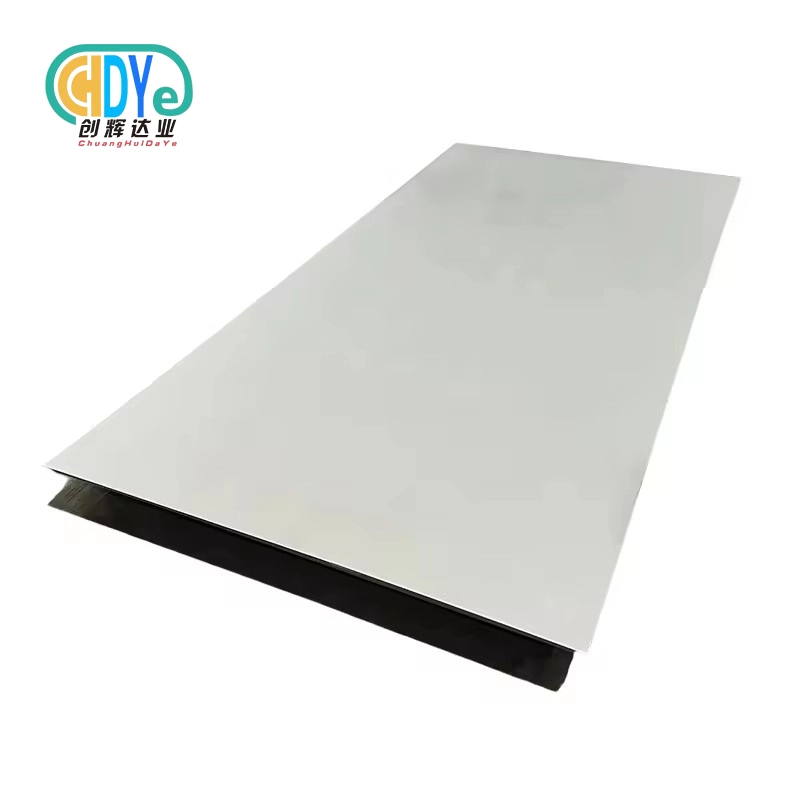
Titanium sheets price guide: what affects market cost?
To understand how much titanium sheets cost on the market, you must first understand how the costs of raw materials, the difficulty of processes, and the cycles of global demand affect end prices. Prices are usually between $15 and $60 per kilogram, but they depend on the grade quality, thickness requirements, and size of the order. Commercially pure titanium sheets of Grade 2 usually cost less than those made of Grade 5 (Ti-6Al-4V) alloys because they are easier to get and don't need to be alloyed as much. What buyers pay is also affected by where the product is made, how much energy it uses during the Kroll process, and changes in the price of vanadium. Supply chain factors like freight costs, tariffs, and the availability of goods make purchase planning more difficult for companies that make aerospace parts, chemicals, and medical devices, which are thinking about long-term investments in materials.
Understanding Titanium Sheets and Their Market Value
Titanium sheet goods have great performance qualities that support their high price in the industrial material market. These flat-rolled goods are unbeatable in many important areas because they have a high strength-to-weight ratio, great resistance to corrosion, and excellent temperature stability. Aerospace engineers use them for parts of the structures where lowering the weight directly lowers the fuel economy. Biocompatibility is important for medical device makers who make implantable devices. Chemical processing plants need materials that don't crack when exposed to salt, which is what breaks down stainless steel options.
Grade Distinctions and Performance Trade-offs
Grade 2 is the most commonly used economically pure titanium. It has a tensile strength of about 345 MPa and can be cold-formed very well for deep drawing uses. This grade works really well in places that need strong corrosion protection without a lot of mechanical stress. For example, heat exchangers in desalination plants or building cladding that is exposed to sea settings. Because it's not too expensive, it's good for uses with a lot of surface area where Grade 5's higher strength isn't needed.
Grade 5 (Ti-6Al-4V) alloy, which is made up of 6% aluminum and 4% vanadium, has a yield strength of over 828 MPa, which makes it the best material for heavy aircraft structures. This improved mechanical performance is used in aircraft landing gear parts, turbine blades, and rocket motor cases. The alloying elements make the material and processes much more expensive, but they are worth it for uses that need high strength at high temperatures. When specifying material grades, people who work in procurement look at these changes in performance along with price limits.
Industry Application Impact on Pricing
A lot of market volatility is caused by aerospace demand, as big aircraft projects order huge amounts of titanium sheets when production ramps up. Over 130,000 pounds of titanium are used in just one widebody jetliner. When multiple makers speed up delivery plans at the same time, prices go up in cycles. Defense contracts also have an effect on prices because they require suppliers to allocate their capacity over long periods of time.
The chemical and petroleum industries have more stable demand patterns, but they have strict rules about corrosion tests and keeping records of where materials come from. These standards for quality assurance add to the costs of running the business, which show up in the end price. Medical uses need the purest materials and strictest testing methods, so they cost more even when ordered in smaller quantities.
Key Factors Influencing Titanium Sheet Prices
What people pay for titanium sheet products depends on several factors that are all related to each other. Titanium-bearing ores like ilmenite and rutile are the first materials that are extracted. To make titanium sponge, they go through the energy-intensive Kroll process. This batch reduction method, which involves reducing titanium tetrachloride with magnesium, uses a lot of electricity and doesn't produce as much as aluminum or steel. Differences in the prices of materials are directly linked to the cost of energy in industrial areas.
Manufacturing Complexity and Yield Considerations
To turn titanium material into useful sheets, vacuum arc remelting is needed to make the makeup uniform and get rid of impurities that weaken the sheets. The resulting ingots are hot-rolled at temperatures above 900°C to break up the cast structure. They are then cold-rolled several times to reach the final thickness requirements, such as the 2mm thickness that is popular in aerospace uses. After each pass of rolling, the metal needs to be annealed in order to become flexible again, which takes more time and costs more money.
When titanium is rolled, its hexagonal close-packed crystal structure gives it directional qualities. This means that the rolling process needs to be carefully controlled to avoid anisotropies that make the material hard to shape. Titanium work-hardens quickly and needs to be measured for thickness often to keep it from cracking, so its output rates are lower than those of other metals. It's not possible to just remelt scrap metal like aluminum can be done; it has to go back to the sponge production stage, which costs a lot. Because of these problems, titanium sheets cost four to six times more than stainless steel goods that are the same.
Market Dynamics and Supply Chain Variables
Titanium is mostly made in just a few places around the world. The main production areas are in Russia, Japan, China, and the United States. Price changes happen right away when there are geopolitical issues, limits on exports, or problems at production facilities. Depending on where the goods are going, transportation and handling add 8–15% to the total cost of delivery. Ocean freight rates change based on fuel prices and the supply of containers. Tariffs on imported titanium goods depend on the country and the state of the trade deal. This means that procurement teams have to look at total landed costs instead of just material prices.
Because the titanium industry isn't as big as the steel or aluminum industries, single huge orders can have a big effect on spot market prices. When the rate of aircraft production goes up, the supply quickly runs out, which drives prices up. On the other hand, when programs are delayed or canceled, producers end up with extra inventory, which gives buyers a chance to negotiate better terms. Keeping an eye on these market shifts helps people who work in buying plans when to make purchases.
Price Variations Based on Titanium Sheet Specifications
Dimensional requirements have a direct effect on the cost of titanium sheets in a number of ways. A 2mm thick sheet is a typical size that balances being able to be shaped with being strong enough to hold up in places like chemical processing equipment and airplane ducting. When the size is thicker, like 6mm or 10mm, it needs more raw material and more rolling passes, which raises the costs of both the material and the processing. If a buyer specifies widths between 500mm and 2000mm and lengths between 1000mm and 3000mm, normal production can begin. However, non-standard dimensions may need special mill runs with minimum order numbers and higher prices.
Surface Finish and Treatment Options
The standard descaled and pickled finish gets rid of mill scale rust and leaves a matte gray look that works for welded parts and parts that can't be seen. This simple finish doesn't cost much more than basic processing. Controlled atmosphere heat treatment is used on bright annealed surfaces to give them a shiny metallic look that is ideal for building uses and medical tools where looks are important. The extra step of preparation usually makes the base material cost 15-20% more.
To get polished finishes that meet certain standards for surface roughness (Ra values below 0.4 micrometers), trained workers have to remove material from the surface using mechanical polishing methods. Chemical processing plants require vessels to have polished surfaces to stop germs from growing and make cleaning easier. Depending on the lot size and smoothness requirements, these high-end finishes can make pickled material cost twice as much.
Customization and Small Batch Premiums
Standard sheet sizes that wholesalers stock have the lowest prices per kilogram because suppliers spread the costs of setting up the production line out over big production runs. Custom cutting to exact measurements saves money on purchases by getting rid of the need for in-house trimming and cutting down on waste. Suppliers usually charge extra for cutting fees and smaller orders that don't need their own production efforts. People who buy between 50 and 100 kilograms pay a lot more per unit than people who buy multiple tons.
For study and prototype development, small amounts of special materials or odd shapes are often needed. Shaanxi Chuanghui Daye Metal Material Co., Ltd. is an expert in providing flexible production services to help producers and research centers create new goods. Our advanced industrial facilities in Baoji, which is known as China's Titanium Capital, make it possible for us to do small-batch production at a low cost that bigger mills can't do. Customers can test ideas before placing full-scale production orders thanks to this freedom.
Purchasing Titanium Sheets: Price vs Quality and Supplier Considerations
Choosing the right supplier has a big effect on both short-term prices and the total cost of ownership over time. Certified manufacturers keeping ISO 9001:2015 quality management systems show dedication to consistent production methods and traceability documentation. This certification requirement shows that quality control was carried out throughout the manufacturing process, from receiving the raw materials to the final inspection and packaging. It is often found in aircraft and medical purchase standards for titanium sheets.
Evaluating Supplier Credentials and Capabilities
Material test reports (MTRs) that come with every package make sure that the chemical make-up and mechanical qualities meet standards like ASTM B265 for titanium sheet goods. Reliable sellers keep labs for chemical analysis, tension testing, and ultrasonic inspection to find flaws inside the product. Instead of depending only on third-party inspection, buyers should make sure that sellers have the right testing tools and are part of industry certification programs.
When looking at suppliers for current projects, production ability is important. If a supplier is close to reaching full capacity, they might not be able to keep up with shipping plans when demand goes up, but if they have extra capacity, they can meet urgent needs. Being close to application areas cuts down on transportation costs and wait times, but quality of materials and expert support often take precedence over logistics. By getting rid of unnecessary tasks, suppliers who give value-added services like custom cutting, edge finishing, and kitting lower the overall cost of buying.
With more than 30 years of experience in working with rare metals, we have a lot of knowledge about the problems that come up when working with titanium. The electron beam furnaces and controlled atmosphere annealing tools at our site make sure that the qualities of the materials we work with meet strict military and medical requirements. We only buy raw materials from approved sources and have strict rules for inspecting them when they come in. This makes sure that the chemicals are correct before production starts.
Wholesale vs. Retail Pricing Structures
Material wholesalers buy a lot of goods at once to get discounts from mills. They then sell smaller amounts at retail, which usually adds 25 to 40 percent to the cost of buying it. This type makes things easier for buyers who need standard sizes right away but don't want to commit to a minimum order. When you buy in bulk directly from makers, you have to make bigger promises, but you don't have to pay distributor margins, which cuts costs by a lot for regular needs.
Long-term supply deals that promise a certain amount of goods help keep prices stable, which is good for projects that last more than one year. These agreements usually say how much will be delivered every year, three times a year, and include ways for prices to change based on raw material prices. Buyers can plan their budgets more accurately, and providers can make sure their capacity is fully utilized, which is good for both parties. To avoid overcommitment fines or shortages, it's important to know how the market is moving and make accurate predictions about how much demand there will be.
Tips for Optimizing Titanium Sheet Procurement Costs
Strategic buying practices cut overall titanium sheet acquisition costs by a large amount without lowering the quality of materials or the performance of applications. Right-sizing specifications is the most effective way to improve performance. For example, selecting Grade 2 instead of Grade 5 (Ti-6Al-4V) when ultimate tensile strength needs allow it saves 30–40% right away. Also, if you accept normal sheet sizes instead of custom cuts, you won't have to pay extra for special handling.
Avoiding Over-Specification Pitfalls
There are times when legacy requirements in engineering specs are higher than what the real application needs. A part made decades ago might have called for Grade 5 (Ti-6Al-4V) titanium because the people who made it didn't trust the wear data for Grade 2, but now we know that the cheaper grade is fine. Reviewing the specs with materials engineers and suppliers can help you find cheaper options that won't affect the performance. Even small changes to the specifications, like allowing slightly wider thickness limits or standard sizes, can save a lot of money.
By carefully timing purchases based on watching the state of the market, you can get better prices. Smart buyers know that the demand for aerospace products follows a regular trend because of the way it is produced. Putting in orders when business is slow during slow times of the year or when rivals aren't doing as much makes it easier to negotiate. When the market is weak, building inventory takes an investment of working capital, but it pays off when prices go up and demand goes up.
Leveraging Supplier Partnerships for Value
When you work together with your titanium sheets suppliers instead of just doing business with them, you both gain in more ways than just unit price. If a supplier is ready to put in the time to learn about your application needs, they may be able to suggest process changes that use less material or alternative methods that lower total costs. Early participation of suppliers in the design steps of a product helps avoid costly mistakes in the specifications and makes the product easier to make.
Technical consulting services from sellers with a lot of knowledge are valuable and don't cost anything extra. Our engineering team regularly helps customers weigh the pros and cons of different materials, figure out the best settings for the making process, and create new welding procedures. These talks use decades of experience to help customers avoid costly mistakes while learning how to use titanium in different situations. These kinds of partnerships make the whole supply chain more efficient, which lowers costs for everyone in the long run.
Flexible shipping schedules that work with production needs keep store costs low and make sure materials are available when they're needed. Just-in-time shipping needs suppliers to be close by and transportation to work well, but it gets rid of the costs and lost profits that come from having too much inventory in storage. On the other hand, blanket buy orders with planned releases offer better pricing for large orders while letting you change the amount as needed.
Conclusion
To successfully purchase titanium sheets, you need to know how grade choice, measurement requirements, seller capabilities, and market timing all affect the overall cost. Grade 2 is a moderately priced option that has good rust resistance and shapeability for general industrial uses. Grade 5 (Ti-6Al-4V) is a more expensive option that has better strength for demanding aircraft structures. Complex manufacturing processes, such as mining that uses a lot of energy and processing that doesn't produce much, are what make them more expensive than regular metals. Strategic buyers make sure that the specs they use meet the performance needs of the product. They also build relationships with suppliers that offer expert support and flexible service, and they keep an eye on the market to make sure they buy at the best time. When choosing suppliers for important projects, quality approvals and output skills are just as important as unit price.
FAQ
Q: What determines the price difference between Grade 2 and Grade 5 titanium sheets?
A: Grade 5 (Ti-6Al-4V) has aluminum and vanadium alloying elements, which means it needs more processing steps and costs more for the raw materials than Grade 2, which is economically pure. The alloying process makes production more difficult and lowers return rates, which usually means that costs go up by 40 to 50 percent. For aircraft structural uses, Grade 5's higher strength-to-weight ratio makes it worth the extra cost. On the other hand, Grade 2's great corrosion resistance and formability make it a better choice for chemical processing needs.
Q: How do thickness specifications impact overall material costs?
A: To get the right size, thinner gauges need relatively more rolling passes, which directly raises processing costs, while thicker sheets consume more raw material. Because it takes longer to make and uses more material, a 6mm sheet with the same surface area costs about three times as much as a 2mm sheet. To get the best value for money without sacrificing performance, buyers should define the minimum thickness that meets structural needs.
Q: Can titanium sheets be purchased in small quantities for prototyping?
A: Reliable providers like Chuanghui Daye can handle small-batch orders for prototype development and research purposes. However, because of setup costs, per-kilogram prices are higher than for bulk orders. Our flexible production options let us make prototypes in small amounts that big mills can't do successfully. This lets customers test designs before committing to full production runs.
Q: What quality certifications should buyers require from suppliers?
A: Getting ISO 9001:2015 approval shows that you handle quality in a planned way throughout the whole production process. Every shipment should come with a material test record that confirms the chemistry and mechanical qualities meet ASTM B265 standards. For aerospace uses, extra approvals like AS9100 are common. Medical devices, on the other hand, need to comply with ISO 13485 to make sure they can be tracked and are biocompatible.
Get Reliable Titanium Sheet Materials from Chuanghui Daye
Shaanxi Chuanghui Daye Metal Material Co., Ltd. sells certified titanium sheets at low prices from the plant, and they also offer great expert help for tough jobs. Our Baoji factory is ISO 9001:2015 qualified and makes Grade 2 and Grade 5 (Ti-6Al-4V) titanium sheets that are 2mm thick and come in widths ranging from 500mm to 2000mm and lengths ranging from 1000mm to 3000mm. These sheets are great for use in aerospace, chemical processing, and making medical devices. Contact our knowledgeable staff at info@chdymetal.com to talk about your particular needs with a reputable titanium sheet maker with over 30 years of experience working with rare metals, the ability to make quick prototypes, and dependable shipping around the world.
References
1. Donachie, Matthew J. "Titanium: A Technical Guide, Second Edition." ASM International, Materials Park, Ohio, 2000.
2. Froes, Francis H. "Titanium: Physical Metallurgy, Processing, and Applications." ASM International, 2015.
3. Lutjering, Gerd and Williams, James C. "Titanium, Second Edition: Engineering Materials and Processes." Springer-Verlag Berlin Heidelberg, 2007.
4. Boyer, Rodney, Welsch, Gerhard, and Collings, E.W. "Materials Properties Handbook: Titanium Alloys." ASM International, 1994.
5. Veiga, C., Davim, J.P., and Loureiro, A.J.R. "Properties and Applications of Titanium Alloys: A Brief Review." Reviews on Advanced Materials Science, Vol. 32, 2012.
6. Seong, Youliang. "Titanium: Industrial Base, Price Trends, and Technology Initiatives." RAND Corporation National Defense Research Institute, 2009.
Learn about our latest products and discounts through SMS or email