- English
- French
- German
- Portuguese
- Spanish
- Russian
- Japanese
- Korean
- Arabic
- Greek
- German
- Turkish
- Italian
- Danish
- Romanian
- Indonesian
- Czech
- Afrikaans
- Swedish
- Polish
- Basque
- Catalan
- Esperanto
- Hindi
- Lao
- Albanian
- Amharic
- Armenian
- Azerbaijani
- Belarusian
- Bengali
- Bosnian
- Bulgarian
- Cebuano
- Chichewa
- Corsican
- Croatian
- Dutch
- Estonian
- Filipino
- Finnish
- Frisian
- Galician
- Georgian
- Gujarati
- Haitian
- Hausa
- Hawaiian
- Hebrew
- Hmong
- Hungarian
- Icelandic
- Igbo
- Javanese
- Kannada
- Kazakh
- Khmer
- Kurdish
- Kyrgyz
- Latin
- Latvian
- Lithuanian
- Luxembou..
- Macedonian
- Malagasy
- Malay
- Malayalam
- Maltese
- Maori
- Marathi
- Mongolian
- Burmese
- Nepali
- Norwegian
- Pashto
- Persian
- Punjabi
- Serbian
- Sesotho
- Sinhala
- Slovak
- Slovenian
- Somali
- Samoan
- Scots Gaelic
- Shona
- Sindhi
- Sundanese
- Swahili
- Tajik
- Tamil
- Telugu
- Thai
- Ukrainian
- Urdu
- Uzbek
- Vietnamese
- Welsh
- Xhosa
- Yiddish
- Yoruba
- Zulu
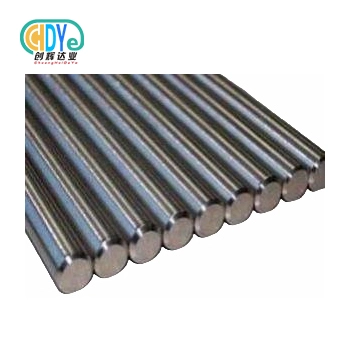
What Makes Tantalum Rods So Corrosion Resistant?
Because they can make a dense, self-healing oxide layer on their surface, tantalum bars are very resistant to corrosion. This tantalum pentoxide (Ta₂O₅) film forms instantly and naturally when it comes into contact with air or water, making it impossible for harmful chemicals to get through. The oxide layer stays stable at a lot of different temperatures and protects the metal below from acids, bases, tantalum rods, and most organic chemicals. If this passive film gets broken, it heals itself right away. This makes sure that protection stays in place even in the harshest industrial settings, where a material failure could cause major problems with operations.
Understanding the Corrosion Resistance of Tantalum Rods
The Science Behind Tantalum's Protective Oxide Layer
Tantalum (element 73) oxidises quickly when it comes in contact with oxygen or water vapour because of the way its atoms are arranged. A protected tantalum pentoxide film about 5 to 10 nanometres thick is made by this process. The Ta₂O₉ layer stays strong in almost all acids below 150°C, even sulphuric, hydrochloric, and nitric acids. This is different from passive layers on other metals that can break down under certain chemical conditions. Hydrofluoric acid and hot, strong alkalis are the only ones that don't work with oxide barriers. They can slowly dissolve them. Because it can fix itself, the oxide film grows back within milliseconds if the surface gets scratched or damaged physically during use. This keeps the corrosion protection going.
Chemical Inertness Across Extreme pH Ranges
It is amazing how stable tantalum is in both very acidic and slightly alkaline conditions. Chemical processing plants often work with substances that have pH levels between 0 and 14. This makes conditions cause normal building materials to break down quickly. Parts made from very pure tantalum (Ta >99.95%) can withstand strong acids at high temperatures, which makes them perfect for reactor vessels, heat exchanges, and pipe systems. The material's density of 16.65 g/cm³ helps keep its shape under pressure, and its chemical inertness keeps sensitive tantalum rod processes in pharmaceutical synthesis and chip manufacturing from getting messed up.
Key Factors Behind the Superior Corrosion Resistance of Tantalum Rods
Impact of Material Purity on Corrosion Performance
High-purity tantalum has few particles that could damage the oxide layer that protects it. Trace elements like oxygen, nitrogen, carbon, and metallic impurities can make weak spots in the passive film, which could lead to pitting or crevice rust. Our tantalum bars stay more than 99.95% pure, which means that a protective barrier forms evenly across the whole surface. This standard meets the strict needs of equipment used in chemical processing, where even small amounts of contamination could cause corrosion failures. The rod diameter can be anywhere from 2 to 100 mm, and the material makeup stays the same throughout. This ensures reliable performance, no matter what machining or shaping is done afterward.
Manufacturing Processes and Surface Quality
The way tantalum bars are made has a big impact on their microstructure and surface properties. Manufacturers in specialised areas like Baoji, Shaanxi Province, use vacuum arc melting and electron beam melting to keep the atmosphere clean while the materials solidify. These processes make grain structures that are all the same and stop intergranular rusting mechanisms from working. Precision machining and polishing are two surface finishing processes that get rid of flaws on the surface that could be used to start corrosion. When you combine advanced melting technology with controlled surface preparation, you get tantalum bars that are very resistant to corrosion and can be used in very serious situations.
Comparing Tantalum Rods with Other Metals in Corrosion Resistance
Tantalum Versus Titanium in Acidic Environments
Titanium is very good at resisting corrosion in oxidising acids and chloride-containing solutions, but tantalum is much better in reducing acid conditions. The inactive layer of titanium can dissolve in hot, concentrated sulphuric acid, which speeds up the breakdown of the material. Tantalum is stable in these conditions, which is why it is the best metal for sulphuric acid concentrators and other related machines. When reliability of the process and the longevity of the equipment are the most important things, the performance edge makes up for the higher cost of the materials. Both materials are used in the chemical processing business, but the best choice depends on how the chemicals will be exposed in the tantalum rods application.
Stainless Steel Limitations and Tantalum Advantages
Austenitic stainless steels are a cheap way to prevent corrosion in many industrial settings, but they don't work well in places that are very acidic or chloride-rich. Pitting and stress corrosion cracks can happen even when tantalum is not doing anything. Chemical companies often choose tantalum for parts that will be exposed to the most aggressive process streams and stainless steel for parts that will be exposed to less demanding streams. This smart choice of materials minimises the cost of capital while ensuring dependability in places where rust failure could cause safety issues or production delays. Tantalum parts often have a lower total cost of ownership, even though they cost more at first. This is because they last longer.
Practical Applications Demonstrating Tantalum's Corrosion Resistance
Chemical Processing Equipment Applications
In chemical plants, tantalum rods are used to make heat exchanger tubes, thermowell structures, and the insides of reactors. These parts are constantly exposed to organic solvents, hot, strong acids, and mixed chemical streams. A big company that makes agrochemicals found that tantalum heat exchanger parts could be used with bromine for more than 15 years, while specialised nickel metals could only be used for less than two years. The material's resistance to pitting and crevice rust keeps plants from breaking down without warning. Custom-machined parts made from tantalum rods can meet the exact size requirements for sealing surfaces and threaded links in important process equipment.
Electronics and Semiconductor Manufacturing Uses
Tantalum is used in the electronics business to make crucibles, sputtering targets, and parts for vacuum furnaces. The chemical safety and high melting point of the material keep it clean during thin-film deposition processes. To make semiconductors, you need materials that are very pure and won't add any impurities to silicon chips or integrated circuits. Tantalum is useful for making capacitors because it is biocompatible and doesn't rust. Stable material qualities are important for capacitors because they need consistent electrical properties. High-purity tantalum rods are used to make parts that meet the strict requirements of clean room production environments, where even a small amount of contamination in the tantalum rods can lower product yields.
Procurement Considerations for High-Quality Corrosion-Resistant Tantalum Rods
Supplier Evaluation and Quality Assurance
To find a trustworthy tantalum rod manufacturer, you need to look at their technical know-how, production skills, and quality control systems. Manufacturers with decades of experience know the little details of melting, shaping, and finishing that make a difference in the quality of the finished product. Being in well-known metal processing hubs, like China's Titanium Capital in Baoji, gives you access to specialised tools and skilled workers. Getting ISO 9001:2015 certification shows that you are committed to systematic quality management, and material test results and certificates of conformance are proof that the requirements have been met. People who work in procurement should make sure that suppliers follow thorough inspection methods that include chemical testing, mechanical testing, and checking the dimensions.
Customization Options and Technical Support
Tantalum rods with specific sizes, finishes, or material properties are needed for many uses that aren't covered by standard catalogue items. Offering custom processing services, such as precision machining, heat treatment, and surface finishing, by manufacturers adds value and makes buying easier. Technical support teams help choose the right materials, design applications, and improve processes so that parts work as well as they should. Designers can choose the best sizes for cutting and material use when they have access to a wide range of diameters, from 2 mm to 100 mm. Small-batch production suppliers can help with research projects and making prototypes, while large-scale production suppliers can handle business orders.
Conclusion
Tantalum bars and tantalum rods are very resistant to corrosion because they have a stable, self-healing oxide layer that forms on their surface right away. This barrier protects better than most other materials against harsh chemical conditions, high temperatures, and mechanical stress. High material purity, advanced manufacturing methods, and strict quality control make sure that critical uses in the aerospace, medical devices, electronics, and chemical processing sectors always work well. Even though tantalum is more expensive than most corrosion-resistant alloys, its long life and dependability in harsh conditions often make up for it by saving money on maintenance and keeping operations running smoothly.
FAQ
1. What acids can tantalum rods resist?
Tantalum exhibits outstanding resistance to most mineral acids, including sulfuric, hydrochloric, nitric, and phosphoric acids at concentrations and temperatures that rapidly attack stainless steel and other common materials. The protective tantalum pentoxide layer remains stable in these environments, preventing material degradation. Hydrofluoric acid represents a notable exception, as it dissolves the oxide film and attacks the underlying metal.
2. How does purity affect tantalum rod corrosion resistance?
Higher purity levels directly correlate with superior corrosion performance. Impurities can disrupt the uniformity of the protective oxide layer, creating localized weak points susceptible to pitting or crevice corrosion. Tantalum with purity exceeding 99.95% ensures optimal passive film formation and consistent long-term performance in demanding chemical environments.
3. Can tantalum rods be welded without losing corrosion resistance?
Proper welding techniques using inert gas shielding preserve the corrosion resistance of tantalum joints. The weld zone naturally reforms the protective oxide layer upon cooling and exposure to the atmosphere. Contamination from improper shielding or inadequate surface preparation can compromise joint integrity, emphasizing the importance of qualified fabrication procedures.
Partner with Chuanghui Daye for Premium Tantalum Rod Solutions
Shaanxi Chuanghui Daye specializes in manufacturing high-purity tantalum rods (Ta >99.95%) with diameters ranging from 2 to 100 mm, engineered specifically for corrosion-resistant applications in chemical processing, electronics, and medical device manufacturing. Our location in Baoji, Shaanxi Province—China's recognized Titanium Capital—provides access to advanced melting and forming equipment, including vacuum arc furnaces, electron beam systems, and precision machining centers. With ISO 9001:2015 certification and over 30 years of rare metal industry expertise, we deliver materials with complete traceability documentation, rigorous quality testing, and competitive factory-direct pricing. Whether you need standard dimensions or custom machined components, our technical team provides application engineering support to optimize material selection and processing parameters. As a trusted tantalum rod supplier, we accommodate both small-batch prototyping for research institutions and volume production for commercial manufacturing. Contact us at info@chdymetal.com to discuss your corrosion-resistant material requirements and receive detailed specifications, pricing, and lead time information.
References
1. Schwartz, M. (2018). Corrosion Resistance of Refractory Metals in Chemical Processing Environments. Materials Science Press.
2. Thompson, R.K., & Chen, W. (2020). Tantalum: Properties, Production, and Industrial Applications. Advanced Metallurgy Publications.
3. International Organization for Standardization. (2019). Quality Management Systems for Specialty Metal Manufacturing. ISO Standards Handbook.
4. Davies, J.H. (2017). Material Selection for Corrosive Environments: A Practical Guide for Engineers. Engineering Design Publishers.
5. Zhang, L., & Peterson, D.M. (2021). Surface Passivation Mechanisms in Refractory Metals. Journal of Materials Engineering and Performance, 30(4), 2156-2171.
6. Williams, A.T. (2019). Comparative Analysis of Corrosion-Resistant Metals in Chemical Process Industries. Industrial Materials Research Quarterly, 15(2), 87-104.
Learn about our latest products and discounts through SMS or email