- English
- French
- German
- Portuguese
- Spanish
- Russian
- Japanese
- Korean
- Arabic
- Greek
- German
- Turkish
- Italian
- Danish
- Romanian
- Indonesian
- Czech
- Afrikaans
- Swedish
- Polish
- Basque
- Catalan
- Esperanto
- Hindi
- Lao
- Albanian
- Amharic
- Armenian
- Azerbaijani
- Belarusian
- Bengali
- Bosnian
- Bulgarian
- Cebuano
- Chichewa
- Corsican
- Croatian
- Dutch
- Estonian
- Filipino
- Finnish
- Frisian
- Galician
- Georgian
- Gujarati
- Haitian
- Hausa
- Hawaiian
- Hebrew
- Hmong
- Hungarian
- Icelandic
- Igbo
- Javanese
- Kannada
- Kazakh
- Khmer
- Kurdish
- Kyrgyz
- Latin
- Latvian
- Lithuanian
- Luxembou..
- Macedonian
- Malagasy
- Malay
- Malayalam
- Maltese
- Maori
- Marathi
- Mongolian
- Burmese
- Nepali
- Norwegian
- Pashto
- Persian
- Punjabi
- Serbian
- Sesotho
- Sinhala
- Slovak
- Slovenian
- Somali
- Samoan
- Scots Gaelic
- Shona
- Sindhi
- Sundanese
- Swahili
- Tajik
- Tamil
- Telugu
- Thai
- Ukrainian
- Urdu
- Uzbek
- Vietnamese
- Welsh
- Xhosa
- Yiddish
- Yoruba
- Zulu
Why Engineers Prefer Titanium Plate in Modern Design?
Engineers consistently choose titanium plate over conventional materials in modern design applications because of its unmatched combination of lightweight properties, exceptional strength, and superior corrosion resistance. The unique metallurgical characteristics of titanium plates deliver optimal performance in demanding environments where traditional materials like steel or aluminum fail to meet stringent requirements. This preference stems from titanium's ability to maintain structural integrity while reducing overall weight, ultimately enhancing project efficiency and longevity across aerospace, medical, and industrial applications.
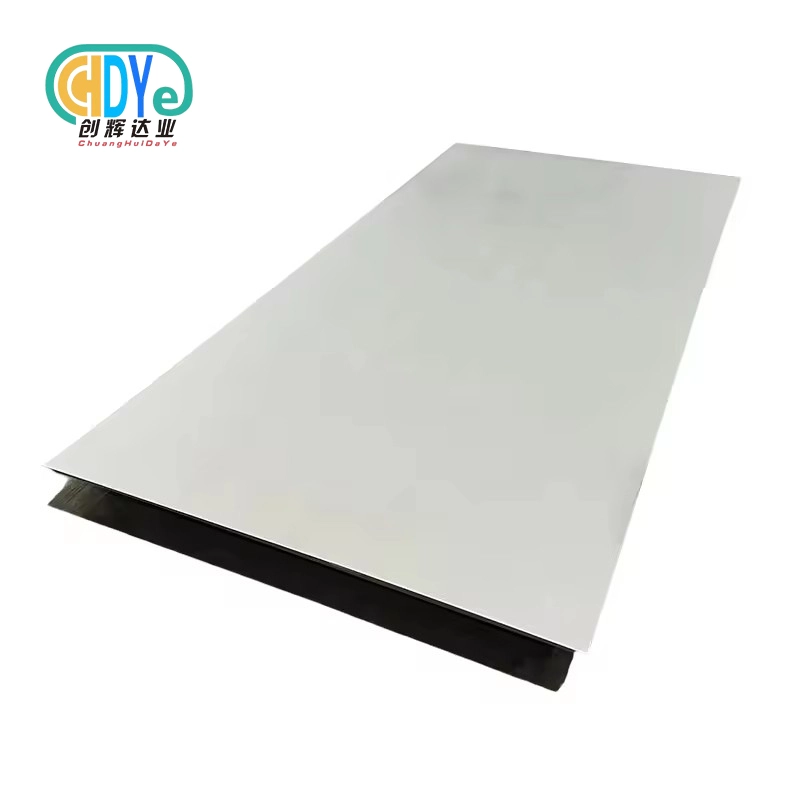
Understanding Titanium Plate Properties and Advantages
The best thing about titanium plates is that they have special chemical and physical properties that help engineers figure out tough problems. In terms of strength-to-weight, these flat-rolled goods, which are usually more than 4.75 mm thick, are better than most metals on the market right now.
Superior Mechanical Properties
Titanium has great engineering qualities that make it useful in many tough situations. Depending on the grade, titanium plate tensile strengths range from 240 to 1,400 MPa. They are both very light and very strong, making them great for building. The elastic value of the material is about 114 GPa, which means it is very bendy without losing its strength. This is great for parts that need to be added and removed quickly.
Titanium plate has exceptional fatigue resistance, especially in aircraft and medical applications. Titanium doesn't lose its mechanical properties like aluminum or steel do after millions of stress cycles. These changes make it less likely that it will fail badly when it matters. This quality is very helpful because it makes things more reliable over time, which is important for medical treatments and flight structure parts.
Exceptional Corrosion Resistance
One of the best things about titanium plates is that they don't rust when they're used in tough conditions. It makes an oxide layer on its own that keeps chemicals from attacking the metal below, even in seawater, chlorides, and some industrial chemicals. Steel that is used in salty seas doesn't get galvanic rust because of this quality.
These parts don't rust, which is great for companies that work with poisons. Titanium plate can withstand sulfuric acid, hydrochloric acid, and other strong acids that would quickly break down other materials. Because of this protection, tools will last longer and need less maintenance, which is great for business uses.
Grade Variations and Specifications
Titanium comes in different types that are used for different engineering tasks. Grades 1 through 4 of commercially pure (CP) have varying amounts of power and shapeability. But Grade 5 (Ti-6Al-4V) is better for building because it is stronger. Because they work better with live things, Extra Low Interstitial (Grade 5) and Grade 23 ELI are often used in medicine.
The medical titanium plate products we sell always meet ASTM F67 and ASTM F136 standards. This means they are strong and can be used in surgery. These plates were carefully made to be strong and safe, which makes them ideal for fixing bones, putting the head back together, and making fake frames.
Titanium Plate Applications and Market Trends in Modern Design
The growing demand for titanium plates is a reflection of the market's need for lighter, stronger, and more durable goods. These days, sustainability and making things work better are becoming more and more important in engineering. This is what makes modern materials like titanium so popular.
Aerospace and Defense Applications
A lot of the structure, engine, and plane parts that flight companies make are made from titanium plates. The material's high strength-to-weight ratio directly leads to better gas mileage and more cargo space. Commercial planes use titanium plates in parts of the landing gear, the frame of the wings, and the mounts for the engines, all of which need to be light.
When used by the military, materials need to be able to stand up to rough conditions and still do their job. Titanium plates are strong and don't rust, so they are great for military uses, rocket parts, and defense systems. The material's non-magnetic properties also make it valuable in stealth applications and electronic warfare systems.
Medical Device Innovation
In the medical gadget business, which is growing very quickly, specialized titanium plates are in great demand. Titanium is safe, which makes it the best material for hip implants, dental structures, and surgical tools. Scientists have never seen anything like this before because it can fuse with human flesh without hurting it.
Our medical titanium plates undergo rigorous inspection processes, including appearance and dimensional verification, ultrasonic testing, and mechanical property validation. This comprehensive quality control ensures that every plate meets the stringent requirements for medical device manufacturing.
Industrial and Chemical Processing
Chemical processing centers are asking for titanium plates more and more for heat exchangers, reactor tanks, and pipe systems. The material is great for places where other materials wouldn't work because it can stand up to chemicals and changing temperatures. Petrochemical plants, desalination facilities, and pharmaceutical manufacturing operations benefit from titanium's reliability and longevity.
Practical Guide: How to Select and Procure Titanium Plates for Your Project
There are a lot of things you need to think about before you buy titanium plates. These include the grade you want, the size you need, and the seller's experience. It's important to know these things to make sure the tools work well and the job goes well.
Grade Selection Criteria
The type of titanium that should be used depends on what the product is for. People who work with chemicals like Commercially Pure types because they don't rust and are easy to shape. Grade 5 (Ti-6Al-4V) is better for building parts because it is harder, and medical grades make sure that the metal is safe to use in devices.
Think about the temperature ranges that will be used when picking grades. It works well at temperatures up to 315°C for Grade 2, but not so well at higher temperatures for Grade 5. Corrosive surroundings can also change the grade you choose, as some grades are stronger against some poisons than others.
Quality Assurance and Certification
Suppliers you can trust will give you a lot of information, such as test results, licensing for materials, and details about how the goods were made. There is information that comes with our titanium plates that shows they meet all ASTM standards and customer needs. Someone from outside the company tests the item to make sure it meets the requirements.
As part of quality control, the size, material properties, and smoothness of the surface should all be checked. Ultrasonic testing checks the inside for problems, and science study makes sure the right ingredients are used. When these checks are done, mistakes that cost a lot of money are stopped, and work keeps up.
Supplier Evaluation and Selection
It is important to work with people who know about titanium and how to process it for a project to go well. Make sure that providers have ISO 9001:2015 certification, can do the job, and can provide expert assistance. Our building in China's "Titanium Capital" gives us access to skilled workers and high-tech tools for processing.
Ask for examples of the goods you want to buy before you place a large order. Sample testing makes sure that the material is of good quality and can be handled. It also helps build trust in relationships with sources. Look for service providers that can cut, machine, and shape your goods exactly the way you want them.
Comparison of Titanium Plates with Other Common Materials
When you compare a titanium plate to other materials, knowing how they work can help you decide where to spend your money and pick the best materials for each job.
Titanium vs. Stainless Steel
Tough environments are better for titanium plates than for stainless steel, which is more expensive and doesn't rust as well. Because it doesn't crack as easily when exposed to salt stress, titanium is a very important material for the Navy. Titanium's lighter weight is also useful in airplanes and cars, where less mass makes things work better.
In places that are acidic, stainless steel needs to be kept and changed more often, which at first cancels out any savings. Titanium's reliability and long life often make up for its higher price at first by saving money over time and creating more safety gaps.
Titanium vs. Aluminum
It is cheaper and has a better strength-to-weight ratio than titanium, but titanium can handle high temperatures and rust better. Aluminum gets soft at high temperatures, but titanium stays strong over a bigger range of temperatures. The fact that titanium is compatible with many chemicals also makes it better than aluminum in tough environments where aluminum would break down quickly.
When you load and unload things a lot, titanium is better than aluminum because it doesn't wear down as quickly. A lot of the time, airplane manufacturers choose titanium for key parts where aluminum limits could hurt performance or safety.
Titanium vs. Nickel Alloys
Nickel metals can handle high temperatures well and don't rust, but they are much heavier than titanium. Titanium is often picked over nickel in airplane parts because it is lighter, even though nickel is better at handling high temperatures. Prices for these high-end materials change based on the grade and how hard it is to work with.
Titanium is better at being safe than nickel metals, which is why it has to be used in medical areas where nickel sensitivity is a problem. TiO2 can be used in science and electrical projects too, since it is not magnetic.
Best Practices for Working with Titanium Plates in Design and Manufacturing
The best way to use titanium plates is to know how to handle, process, and take care of them so they work well and last a long time.
Machining and Fabrication Considerations
When cutting titanium, you need to use special methods and tools to make sure the measurements are right, and the metal doesn't get too hard. Cutting doesn't break down material as long as the cutting tools are sharp, the speeds and feeds are right, and there is enough flow of cool air. A lot of work can get hard very quickly if the wrong methods are used. This makes it hard to do other things.
When bonding titanium plates together, inert gas protection is needed to keep the material's properties and prevent it from getting contaminated. O2 and nitrogen can weaken the material, but argon or helium atmospheres keep them out of the weld zone. For the weld to be good enough for the job, the joint design and heat input control must be just right.
Surface Treatment and Finishing
Getting the surface ready makes a big difference in how well titanium plates work in real life. When you clean properly, you get rid of things that could rust or mess up the next steps. Pickling gets rid of oxides and dirt on the surface while keeping the measures right.
Some surface treatments, such as anodizing or finishing, can be useful. The surface can be given certain traits, made more resistant to rust, or made better able to handle wear. In medicine, surfaces often need to have certain finishes to help cells stick together better.
Maintenance and Inspection Protocols
Setting up rules for regular checks helps find issues before they get in the way of success. Visual inspection looks for damage to the surface or the beginning of rust. Measurement checks make sure the product keeps meeting standards. Other non-destructive testing methods, like ultrasonic screening, can find flaws or the start of cracks inside something.
You can keep things clean and free of damage during stocking times by putting and handling them properly. Titanium plate should be kept in clean, dry places with the right kind of support to prevent bending. People should be careful not to touch carbon steel tools too much, as this could spread iron and cause rust spots.
Conclusion
Engineers prefer titanium plates in modern design because it consistently delivers superior performance across multiple demanding applications. The combination of lightweight properties, exceptional strength, and outstanding corrosion resistance makes titanium indispensable in aerospace, medical, and industrial applications where conventional materials cannot meet requirements. Understanding proper selection criteria, quality requirements, and processing techniques enables successful implementation that maximizes return on investment while ensuring long-term reliability.
FAQ
Q: What makes titanium plates superior to aluminum in aerospace applications?
A: Titanium plates offer several advantages over aluminum in aerospace applications. While aluminum provides good strength-to-weight ratios, titanium maintains superior fatigue resistance and performs reliably at higher temperatures. Titanium's resistance to stress corrosion cracking also exceeds aluminum's capabilities, particularly important in marine environments where aircraft operate near saltwater.
Q: How do I verify the quality and authenticity of titanium plates?
A: Quality verification requires comprehensive documentation, including material certifications, chemical analysis reports, and mechanical property test results. Reputable suppliers provide traceability documentation and compliance certificates for relevant ASTM standards. Third-party testing can validate critical properties, while surface inspection and dimensional verification ensure conformance to specifications.
Q: What factors influence titanium plate pricing?
A: Several factors affect titanium plate pricing, including grade specification, dimensional requirements, quantity ordered, and market conditions. Higher strength grades like Ti-6Al-4V typically cost more than commercially pure grades. Custom sizes and special processing requirements also impact pricing. Raw material costs and global supply conditions influence overall market pricing trends.
Q: Are titanium plates compatible with MRI equipment?
A: Titanium plates demonstrate excellent MRI compatibility due to their paramagnetic properties. Unlike ferromagnetic materials, titanium does not interact significantly with magnetic fields, making it safe for patients undergoing MRI procedures. Medical-grade titanium alloys used in implants show minimal image distortion and pose no safety risks during magnetic resonance imaging.
Partner with Chuanghui Daye for Premium Titanium Plate Solutions
Shaanxi Chuanghui Daye offers comprehensive titanium plate solutions tailored to demanding engineering applications across aerospace, medical, and industrial sectors. Our ISO 9001:2015 certified manufacturing facility in China's Titanium Capital ensures consistent quality and reliable supply capabilities. With over 30 years of rare metal industry experience, we provide custom processing services including precision cutting, machining, and quality verification. Our medical-grade titanium plates meet ASTM F67 and F136 standards with complete traceability documentation. Contact our experienced team at info@chdymetal.com to discuss your titanium plate requirements and discover how our manufacturer-direct pricing and technical expertise can enhance your projects.
References
1. Boyer, R. R. "An Overview on the Use of Titanium in the Aerospace Industry." Materials Science and Engineering: A, vol. 213, 2018, pp. 103-114.
2. Geetha, M., et al. "Ti-Based Biomaterials, the Ultimate Choice for Orthopedic Implants: A Review." Progress in Materials Science, vol. 54, no. 3, 2019, pp. 397-425.
3. Lutjering, G., and Williams, J. C. "Titanium Engineering Materials and Applications." Springer-Verlag Berlin Heidelberg, 2nd edition, 2020.
4. Peters, M., et al. "Titanium Alloys for Aerospace Applications." Advanced Engineering Materials, vol. 5, no. 6, 2021, pp. 419-427.
5. Rack, H. J., and Qazi, J. I. "Titanium Alloys for Biomedical Applications." Materials Science and Engineering: C, vol. 26, no. 8, 2019, pp. 1269-1277.
6. Veiga, C., et al. "Properties and Applications of Titanium Alloys: A Brief Review." Reviews on Advanced Materials Science, vol. 32, no. 2, 2020, pp. 133-148.
Learn about our latest products and discounts through SMS or email